

This blog post was written by NBCF staff members Katie Mooneyham and Candace Day, combining Katie’s strategic partnership experience with digital communications support from Candace.
As corporate social responsibility (CSR) evolves, companies are looking for partnerships that provide social impact and business value alike. Successful corporate-nonprofit partnerships are centered on common values, clear goals, strong communication, and quantifiable outcomes.
This article will dive into what makes those partnerships work well and how a company can choose and grow nonprofit relationships with lasting value for everyone involved.
Jump to:
Why these partnerships matter for business
How to choose the right nonprofit partner
How to activate employees and customers
How to measure results
Building partnerships that last
The right nonprofit partnership can help a company strengthen trust, engage employees, deepen customer connection, and create visible community impact.
Selecting the best nonprofit partner that aligns with your values and goals is important, but choosing one doesn’t have to be stressful. Here are four steps to finding the right nonprofit to partner with:
To learn more about finding the best nonprofit partner, read Creating a Winning Partnership: Tips for Partnering with a Charity.
A partnership increases in value when employees and customers can see, understand, and take part in it. Strong activations give people a clear and meaningful way to engage, either through volunteering, donating, purchasing, learning, or sharing.
Measuring results helps your company determine whether a partnership is creating real value—for your business, your employees, your customers, and the community. Strong partnerships define what success is early, track and observe consistently, and use learnings to improve future campaigns.
Successful corporate-nonprofit partnerships need clear goals and objectives, strong communication, and measurable outcomes. With these guides in place, a partnership can improve brand trust, increase employee engagement, create deeper connection with customers, and expand community impact.
For companies searching for the right nonprofit partnership, selecting an organization that aligns with your values, goals, and audience is the first step to success. From there, your focus should be on building a relationship that is accountable, transparent, and structured around long-term value and impact.
Below are examples of NBCF corporate partnerships that have generated measurable success for the company, NBCF, and those affected by breast cancer.
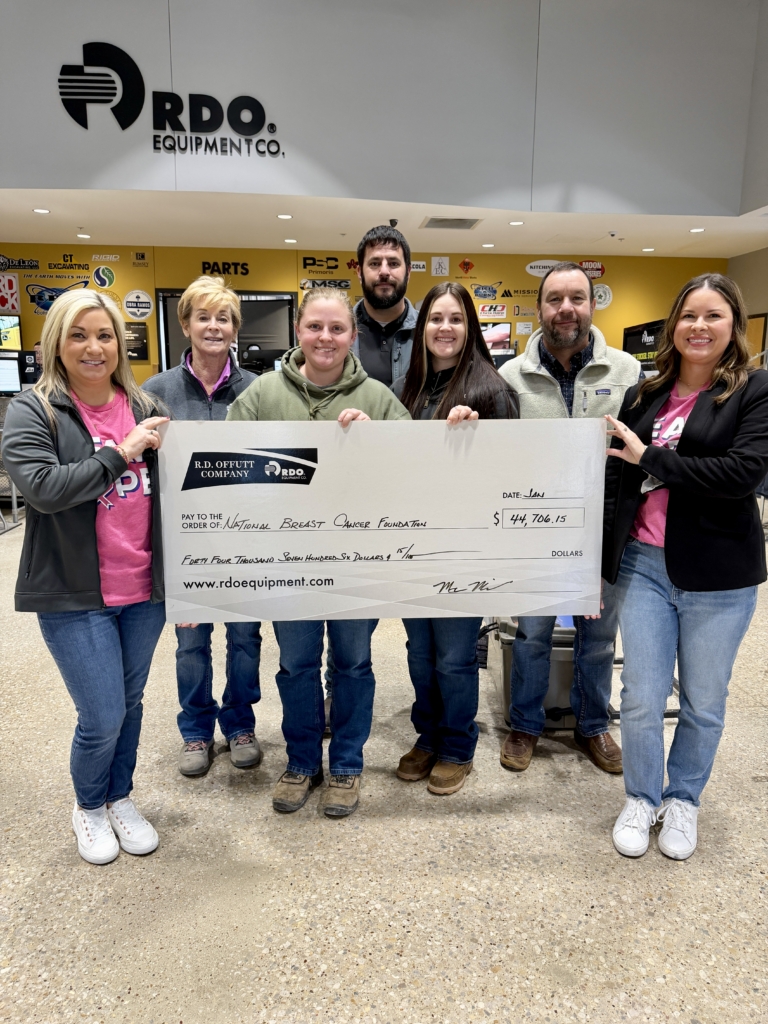
Eight years ago, RDO Equipment Co. set out to raise awareness about cancer screenings among their team members, customers, and families across more than 20 states and knew they needed a nonprofit partner with the same nationwide reach. After researching several organizations, they found NBCF’s mission closely aligned with their values.
They launched the Pink Hat Campaign, an annual October fundraiser spanning six businesses across the RDO network where employees and customers receive a limited-edition pink hat or beanie with a $10 donation, each paired with a breast health education flyer.
What started as a single campaign has grown into a beloved tradition, complete with an in-person check delivery to NBCF each year. For RDO, success came from finding a partner whose mission genuinely resonated with their people. When employees feel connected to a cause, participation follows naturally, and the numbers reflect that: RDO has raised over $416,000 for NBCF since 2017, with each year building on the last, proving that a simple, consistent activation can compound into something extraordinary.
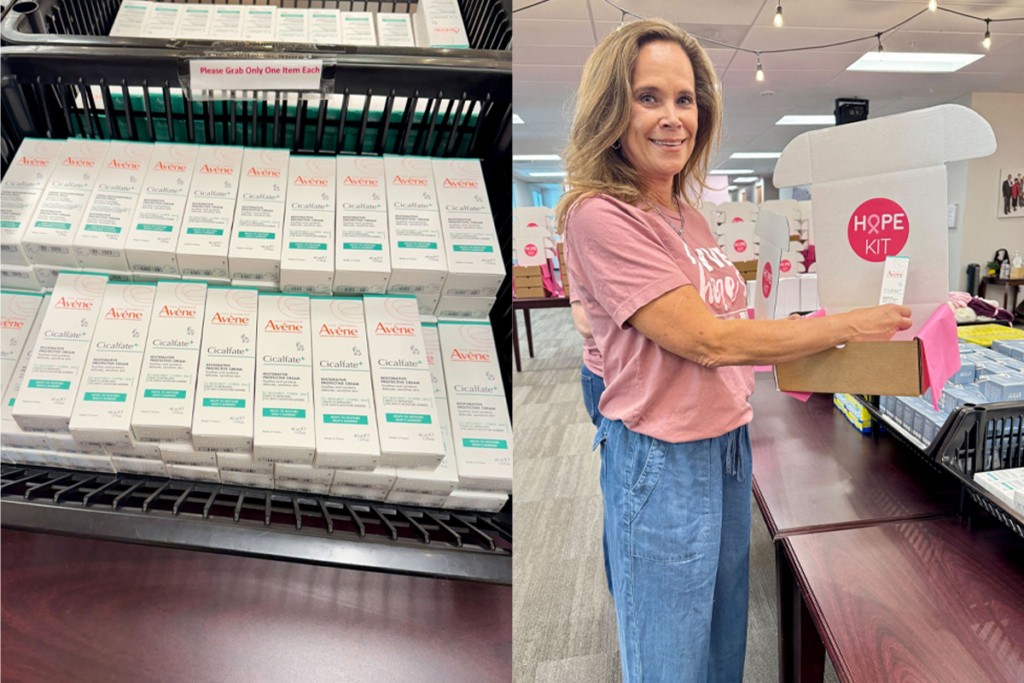
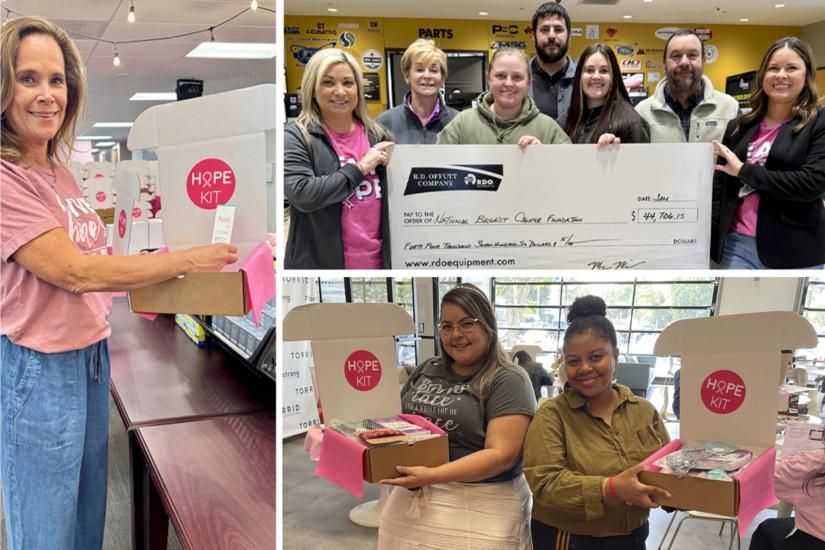
Avène is a French skincare brand with over 275 years of history. Since 2018, Avène has donated between $400,000 and $500,000 annually in product gifts-in-kind through NBCF’s HOPE Kit® Program.
In 2026, they are scaling that commitment exponentially, projecting $3 to $5 million in product donations to reach breast cancer patients receiving support through NBCF’s hospital partners. Customers can also participate directly, as each Avène Cicalfate+ Restorative Protective Cream purchased provides one to a patient in need. For Avène, the partnership reflects a shared belief that patients deserve access to quality care and resources throughout their treatment journey.
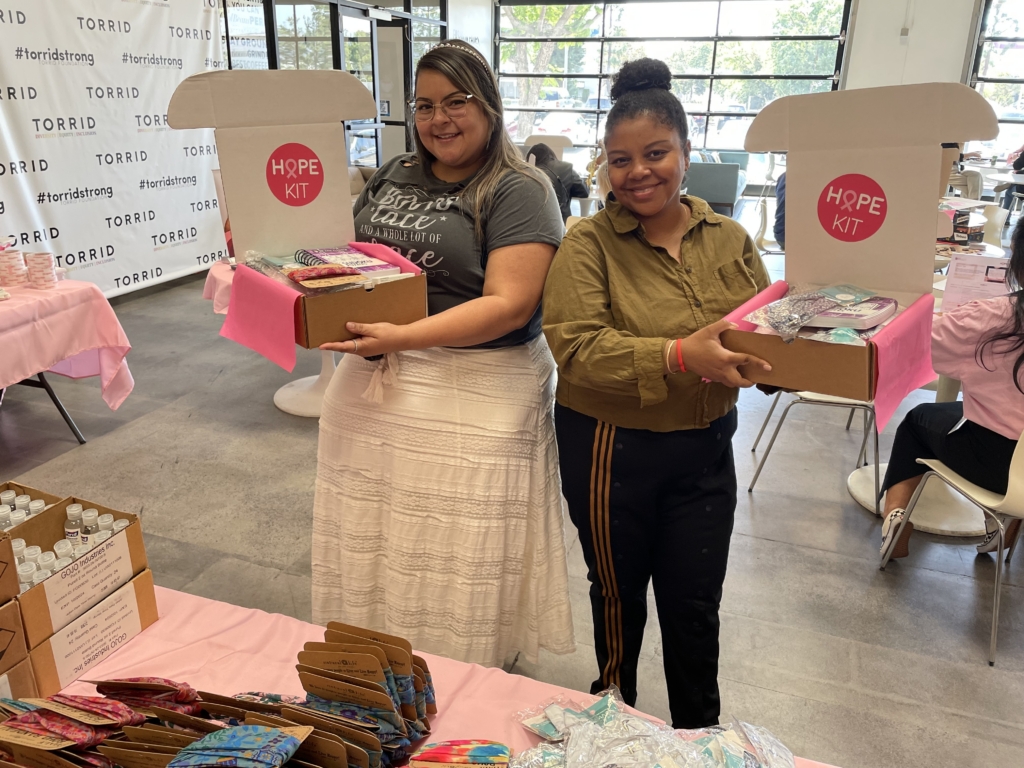
For Torrid Foundation, partnering with NBCF is a direct reflection of who they are. Built on a mission of helping women and changing lives, Torrid has spent 10 years showing up for breast cancer patients in meaningful and creative ways.
Their activation approach is multi-layered: from breast cancer awareness clothing capsules and $1 donation per bra sold, to customer round-up programs at checkout, HOPE Kit packing events, and gifts-in-kind donations for NBCF programs.
What makes Torrid’s model stand out is the customer angle. Their round-up program has been the driving force behind the partnership’s success, turning everyday purchases into acts of advocacy and rallying their community around a shared cause. Torrid has also invested in internal education, ensuring their staff is informed and engaged during Breast Cancer Awareness Month. Over 10 years, Torrid Foundation has raised over $4 million in contributions and gifts-in-kind for NBCF, proving that when a brand’s values and customer community are truly aligned, the impact speaks for itself.
Sources
2024 Edelman Trust Barometer Special Report: Brands and Politics
CECP Giving in Numbers: 2024 Edition
Pro Bono Institute
Deloitte Insights
Donations are always appreciated, but there are lots of great ways to get involved.