


Why breast cancer?
Breast cancer is one of the leading health crises for women in the United States. 1 in 8 women will be diagnosed with breast cancer in her lifetime. There is currently no known cure for breast cancer, and its early diagnosis is critical to survival.
Women who have screening mammograms have a lower chance of dying from breast cancer than women who do not have screening mammograms.[1] However, many simply cannot afford the cost of screening tests. These women are at a significantly higher risk of dying from breast cancer if later diagnosed.
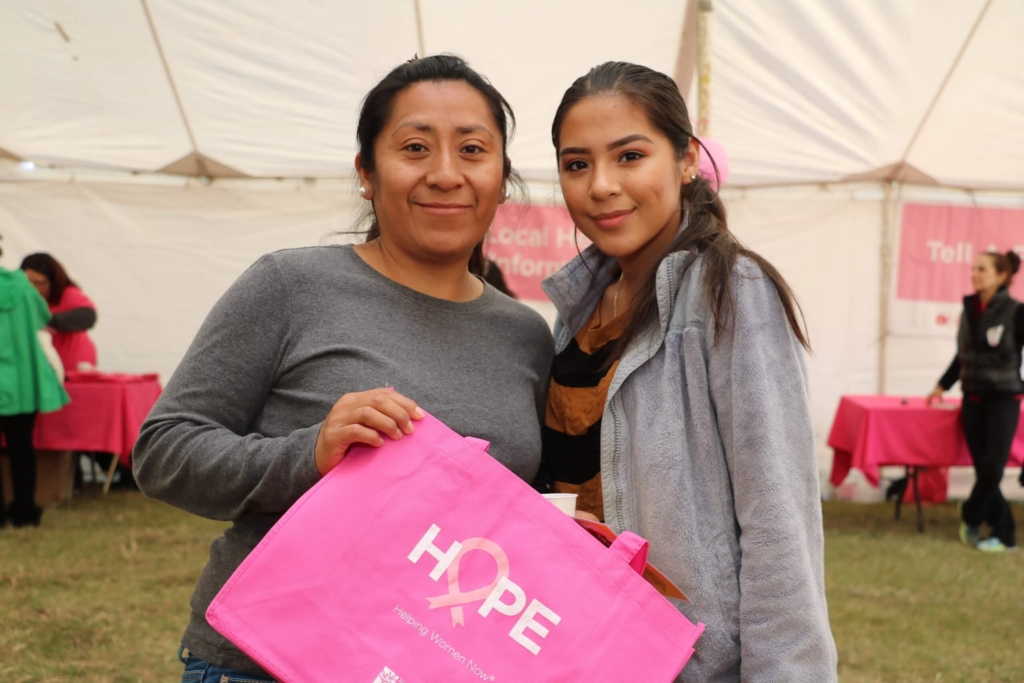
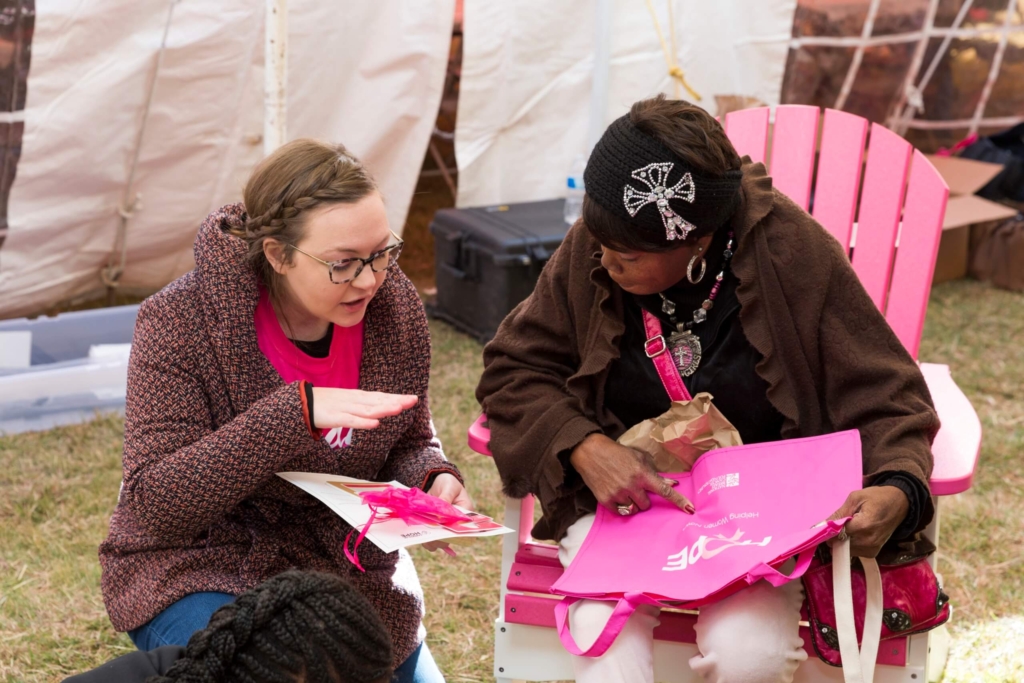
Why NBCF?
Poverty, less education, and a lack of health insurance are associated with lower breast cancer survival rates.[2]
NBCF was founded to fill in the gaps of cancer care, ensuring every woman has the access and information she needs to get through every step of her breast cancer journey.
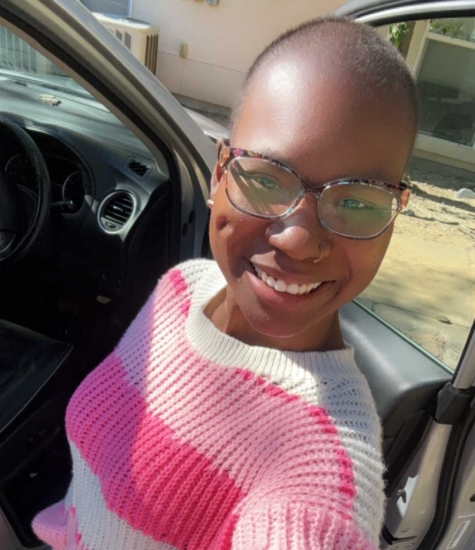
Over the last 5 years*, NBCF has provided over 539,000 screening and navigation services, reached over 93,000 breast cancer patients with HOPE Kits, and served over 80,000 individuals with life-saving breast health education. *FY2021-FY2025
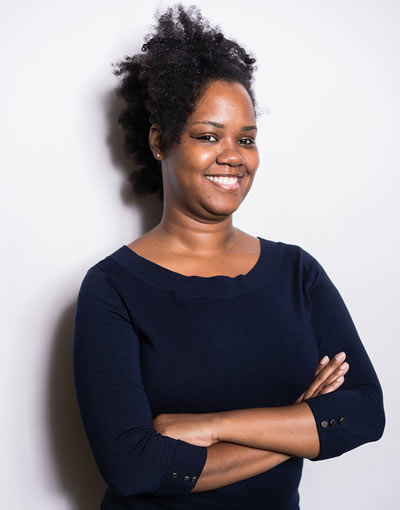
NBCF Focus Areas
 Screening & Diagnostics
 Patient Navigation
 Education & Outreach
 Support Services
Screening & Diagnostics
Why are we taking action?
- Breast cancer is the most common cancer in women in the United States.
- Early detection of breast cancer is crucial to survival. When found in an early, localized stage, the 5-year relative survival rate for breast cancer is over 99%.
- Regular mammograms can reduce the risk of dying from breast cancer by15-20%.
- Approximately 11% of all women in the U.S. are uninsured. As a result, millions of women don’t have access to life-saving mammography services.
- Access to breast health care and services increases financial and emotional well-being (higher quality of life).
What are we doing?
NBCF is increasing access to breast health care and services. By working with hospitals and breast centers in communities across the U.S. to help remove barriers to critical screenings, we are helping women detect their breast cancer in its earliest stage when it is more treatable.
Through our partner facilities nationwide, NBCF has provided 297,000 screening and diagnostic services*, connecting women in need with life-saving mammograms and other critical breast cancer diagnostic tools.
*Cumulative total 2008-2025
Learn more about NBCF’s National Mammography Program.
Patient Navigation
Why are we taking action?
- Barriers in the complex cancer care system, such as finances, language, fear and anxiety, misinformation, and lack of knowledge or support, can prevent patients from getting the care they need.
- Some populations have higher mortality rates from breast cancer than others, and patient navigation helps reduce cancer disparities.
- Patient navigation has been shown to reduce breast cancer mortality rates.
- Patients who receive navigation report improved quality of life and increased satisfaction with the health care system.
- Navigation helps support patients so they can return to their families, jobs, and lives.
What are we doing?
NBCF is working to remove the barriers in the complex cancer care system, such as cost, fear, and misinformation, that prevent patients from getting the care they need in a timely fashion. Good, timely care and support can increase the quality of life and likelihood of survival by keeping women on track with their treatment and follow-up survivorship appointments.
NBCF has provided patient navigation services for more than 850,000 individuals* across the nation, ensuring they have access to the information and support they need when facing a breast cancer diagnosis.
*Cumulative total 2012-2025
Learn more about NBCF’s Patient Navigation Program and research supporting the Academy of Oncology Nurse Navigators.
Education & Outreach
Why are we taking action?
- Poverty, less education, and a lack of health insurance are associated with lower breast cancer survival rates.
- Many women and families are unaware of the importance of early detection of breast cancer or that services are available to help them navigate the complex healthcare system.
- Information about health promotion is not readily available in underserved communities, which are often minorities or people in the low socioeconomic status (SES) bracket.
- Studies have shown that individuals who are uninformed about their health are less likely to take advantage of early detection services like mammograms.
- People who are uninformed about breast health are at a higher risk of dying from breast cancer because they are often diagnosed at a later stage when the disease is harder to treat.
What are we doing?
NBCF provides critical information to women and families about how they can reduce the risk of developing breast cancer, find breast cancer early, access screening programs, and eliminate barriers to quality treatment if diagnosed. We are empowering women to advocate for their own breast health.
NBCF has shared critical breast health information with over 155,947 individuals* at outreach events, empowering them to make informed decisions about their health.
*Cumulative total 2012-2025
Additionally, NBCF has provided over 1,400,000 free educational resources to individuals across the country, empowering them to take control of their health.
*Cumulative total 2013-2025
Learn more about NBCF’s Breast Health Education & Breast Cancer Awareness in the Workplace Programs.
Support Services
Why are we taking action?
- Many breast cancer patients can feel isolated and hopeless throughout their journey. A support system can greatly help reduce the stress of dealing with cancer.
- A solid support system is an important part of survivorship. Research shows that stress and anxiety related to a breast cancer diagnosis can be reduced with proper social support while also increasing quality of life.
- An estimated 170,000 women in the United States are living with Stage 4 metastatic breast cancer, which carries a terminal prognosis. These metastatic patients often feel misunderstood, ignored, and even isolated from other breast cancer survivors.
- Adjusting to the “new normal” of breast cancer survivorship requires hope and tools for coping.
- Most patients attending support groups feel more emotionally fulfilled, get help managing side effects, and experience less pain and anxiety.
What are we doing?
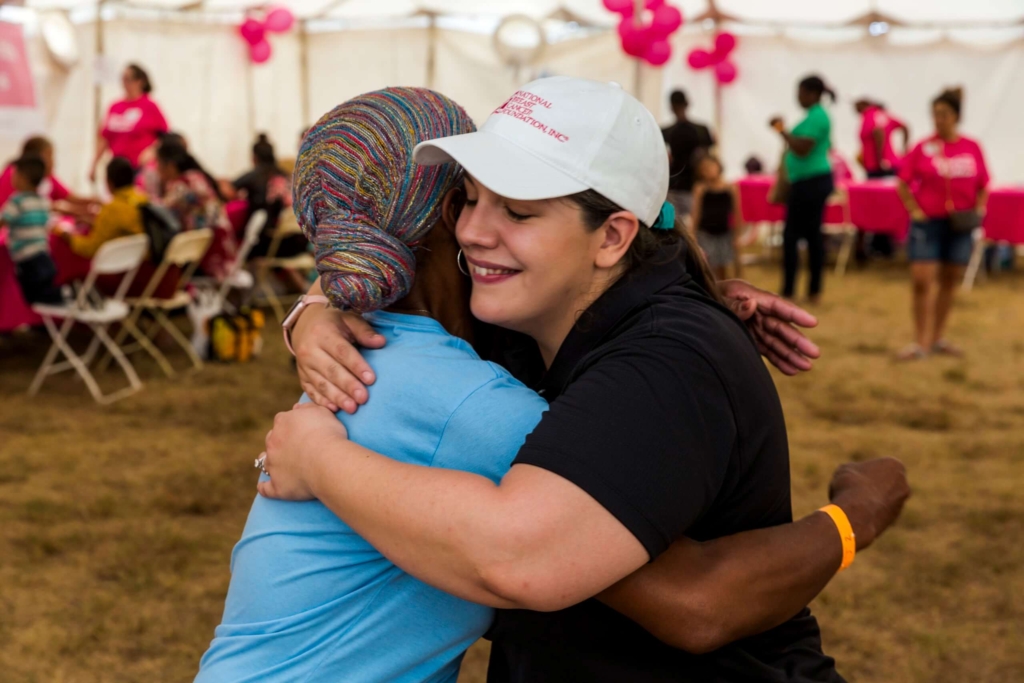
NBCF provides critical support for patients at every step—whether they’re newly diagnosed, facing a terminal diagnosis, or facing breast cancer alone. Our goal is to ensure every patient and survivor has access to emotional support, guidance, and resources throughout their journey.
NBCF has sent over 107,900 HOPE Kits® to women in treatment for breast cancer*, providing them with comfort, encouragement, and hope.
*Cumulative total 2017-2025
2,664 services were provided through NBCF Support Group meetings*, where breast cancer patients and survivors found encouragement, shared experiences, and connected with others navigating similar journeys.
*Cumulative total 2019-2025
Through our partner facilities, 641 individuals* have attended NBCF Metastatic Breast Cancer Retreats, providing Stage 4 cancer patients and their caregivers with information, encouragement, and support so they can focus on fully enjoying life and time with their loved ones.
*Cumulative total 2016-2025
Learn more about NBCF’s HOPE Kits, Support Groups, and Metastatic Breast Cancer Retreats.
Join NBCF
Education and timeliness of care make an impact on breast cancer survival rates, particularly for underserved communities. Our vision is that one day, no one will have to navigate breast cancer alone.
“By supporting the earlier diagnosis and treatment of women with breast cancer, NBCF is helping women live longer and healthier lives.”
— Janie Lee, PMD, MSC, Director of Breast Imaging, Seattle Cancer Care Alliance
Sources: [1] National Cancer Institute, [2] American Cancer Society