


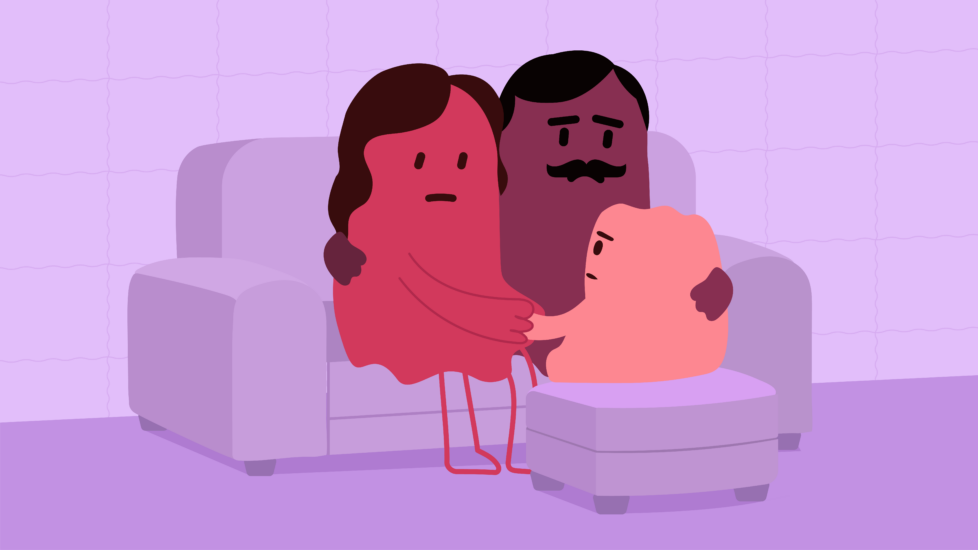
Written by Kelsey Mora, Certified Child Life Specialist (CCLS), Licensed Clinical Professional Counselor (LCPC), Chief Clinical Officer at Pickles Group, and author of The Dot Method: An interactive tool to teach kids about cancer.
Additional free resources for families facing cancer can be found at nbcf.org/parents. Click here to download a printer-friendly version of this blog post.
When adults think about explaining to a child that their loved one isn’t going to get better, their thoughts often jump straight to death and dying. This can make these conversations feel even scarier and harder for parents and caregivers. While death is part of this conversation, talking to kids about death can, and should, also include talking about life, comfort, and connection.
The recommendations below are for any child who has a loved one who isn’t going to get better, whether that’s a parent, grandparent, teacher, or friend. As you read through these recommendations, keep in mind that each statement can be tailored to the developmental level of the child and the sensitivity of the situation he or she is facing. These conversations may be hard, but they are also an opportunity to guide children through one of life’s most meaningful moments with understanding, clarity, and comfort.
Children are observant. They notice changes in routines, energy levels, conversations, and emotions around them. Begin by asking what they already know or think is happening.
“What do you understand about what’s happening with [loved one’s] cancer?”
This gives you an opportunity to clarify misconceptions, fill in gaps, or gently build on what they’re already thinking or worrying about.
Like any difficult conversation, it helps children to understand that what is coming next is different from a typical conversation.
“I have something important to talk about.”
A brief warning helps children to emotionally prepare and signals that this is an important, serious, or perhaps upsetting conversation.
Use what your child already knows and understands to guide the explanation of what is happening now.
“Remember when we talked about how the medicine was trying to get rid of the cancer cells?”
Then offer a simple, honest explanation.
“Well, the doctors have told us that the medicine isn’t working anymore, and there isn’t another treatment available that can make the cancer go away or get better.”
After sharing this, pause. Some children may have immediate questions or emotions, while others may not say anything. Both responses are okay and help you know what the child needs next.
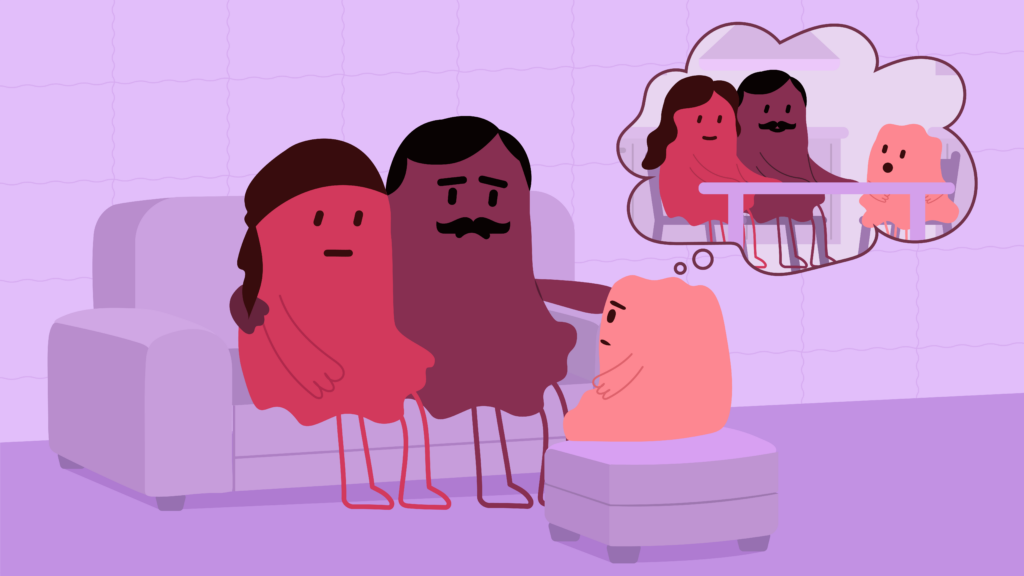
One of the hardest parts of explaining that someone is not going to get better is talking about what will happen next and when. Avoid euphemisms like “going to sleep” or “passing away” because they can be more confusing or frightening for children.
“Because there are no other medicines to help the cancer, that means [loved one] will die from her cancer. Dying means her body will stop working and she won’t be able to keep living.”
A child’s concept of death and dying is greatly influenced by their age, development, and previous experiences. Clear, direct language helps children understand and trust the information they’re being given, versus trying to make sense of it on their own.
When treatment is no longer available, it doesn’t mean the medical team stops caring. Help children understand that the focus of care will shift and change.
“We know she will get more sick and weaker, but we don’t know how quickly that will happen. We’re starting with a new care team called hospice whose job is to help her be as comfortable as possible, either at home or in a care facility.”
This reassures children that their loved one will continue to be cared for and supported and that family and friends can focus on their time together.
For children, this is often less about how much time they have and more about how they spend it. Maintaining aspects of normal daily life such as school, activities, and routine can be comforting to children, while still making space for meaningful moments together.
“We can focus on enjoying our time together and making memories. What would you like to do together?”
Even small moments, like reading a book, watching a show, making a card, or taking a photo together, can be deeply meaningful. Some children may value decorating a picture frame or creating bracelets that can serve as keepsakes later on. Keep in mind that some may fear the changes and struggle with being together. That’s okay, too.

When someone isn’t going to get better, there is a lot for children to process. Invite questions and remind them that this conversation doesn’t have to happen all at once. Incorporate books to read together to help children understand complex topics like anticipatory loss, death, and grief.
Ask what they’re wondering about. Make space for feelings. Practice coping together. Balance everyday life with preparing for changes ahead.
Above all, let your child know that you will continue to talk, listen, and be there every step of the way. When faced with the difficult reality of losing a loved one, children need honesty and reassurance from the adults who love them. While we cannot fully protect children from the pain of loss, we can help them feel safe, included, and supported as they make sense of what is happening. By speaking openly, answering questions with care, and creating space for connection and memories, we can remind them that even in the face of such a difficult circumstance, love and togetherness remain.
NBCF is here for parents facing cancer; you are not alone in this journey. For more free resources to help guide children through a parent’s cancer diagnosis, read:
In addition to NBCF, there are other groups dedicated to the emotional well-being of children and families who have a parent facing cancer. Below are a few organizations to consider partnering with on this journey.
National Breast Cancer Foundation is here for you—and your family—as you navigate a breast cancer diagnosis. Visit our website to learn about NBCF breast cancer support groups, obtain free educational resources, or find a patient navigator in your area.
Donations are always appreciated, but there are lots of great ways to get involved.