


Written by Kelsey Mora, Certified Child Life Specialist (CCLS), Licensed Clinical Professional Counselor (LCPC), Chief Clinical Officer at Pickles Group, and author of The Dot Method: An interactive tool to teach kids about cancer.
Additional free resources for families facing cancer can be found at nbcf.org/parents. Click here to download a printer-friendly version of this blog post.
Note: The information in this blog post is appropriate for parents or loved ones experiencing a recurrence of treatable cancer. If the loved one’s cancer recurrence is not treatable, please read How to Explain That Someone Isn’t Going to Get Better.
You’ve already gotten through one of the hardest conversations—telling your child about cancer the first time. Hearing that cancer has returned can feel overwhelming and even impossible to explain. Yet this conversation often builds on the foundation you’ve already established with your child: what they already know, remember, and how they’ve been supported along the way.
Begin by grounding the conversation in what your child understands from the previous conversations. This helps with continuity of language, giving your child a reference point and assessing what they know and remember.
“It’s been a while since we talked about this, but remember how I had cancer cells in my breast that were removed with treatment?”
Grounding the conversation in familiar language can help the child feel more comfortable with the conversation.
Before sharing difficult news, it can help to give a brief heads-up. This helps children emotionally prepare for what they’re about to hear.
“I have something important to share.”
Then share the information clearly and simply.
“The cancer cells are in my body again, and I will need more treatment to get rid of them.”
Avoid long explanations at first. You can always add more detail once you see how your child responds.
It’s natural to want to fill silence and share everything at once. Instead, try to pause. This gives your child time to catch up with the information and respond in a way that is natural or automatic for them.
Some children will ask many questions right away. Others may say very little or need time to process. There is no “right” response. Give them space so you can respond to their questions, fears, and needs, rather than what you think they might be feeling or needing.
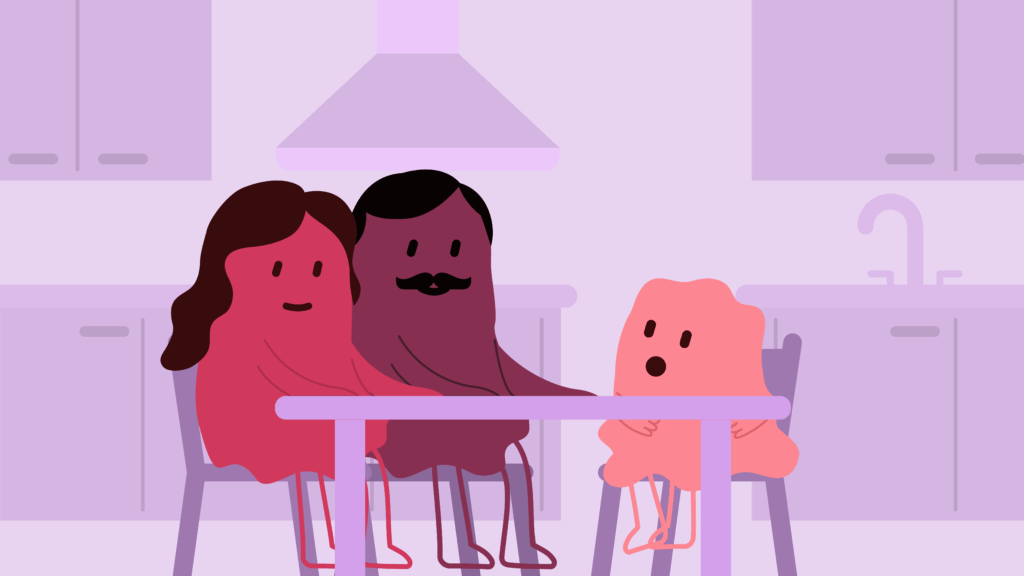
Children might worry that recurrence means someone did something wrong. Address this directly.
“Recurrence (or relapse) means the cancer went away or got better and has come back. It doesn’t mean anyone did anything wrong. It just means the body needs more help, like treatment or medicine again.”
You can also normalize uncertainty.
“Sometimes people get better and never need treatment again. Other times, the cancer cells come back even after a period of feeling well. Doctors monitor the body through regular check-ups so that they can notice changes early and decide when and what additional support or treatment is needed.”
What you share next depends on how much information you have.
If you’re still waiting for answers:
“I don’t have all of the information yet, but I’m going to have some follow-up appointments to make a plan with my doctors. As soon as I know more, I will tell you.”
If you are starting a new treatment (alter this statement for your individual treatment):
“I am going to start a new medicine soon. I’ll go to the clinic where they will put a tube called an IV in my arm. I shouldn’t have to spend the night so I will be home when you get back from school. I’m not sure how it will make me feel. It might cause some side effects like feeling tired and nauseous. We’ll figure it out together, and Nana is going to help us for a while, too.”
If you are facing limited treatment options:
“Unfortunately, the doctors have explained that there are no more medicines to make my cancer better. They are going to try some things to make my life as long and comfortable as possible, but things are more serious now.”
Read How to Explain That Someone Isn’t Going to Get Better for more guidance.
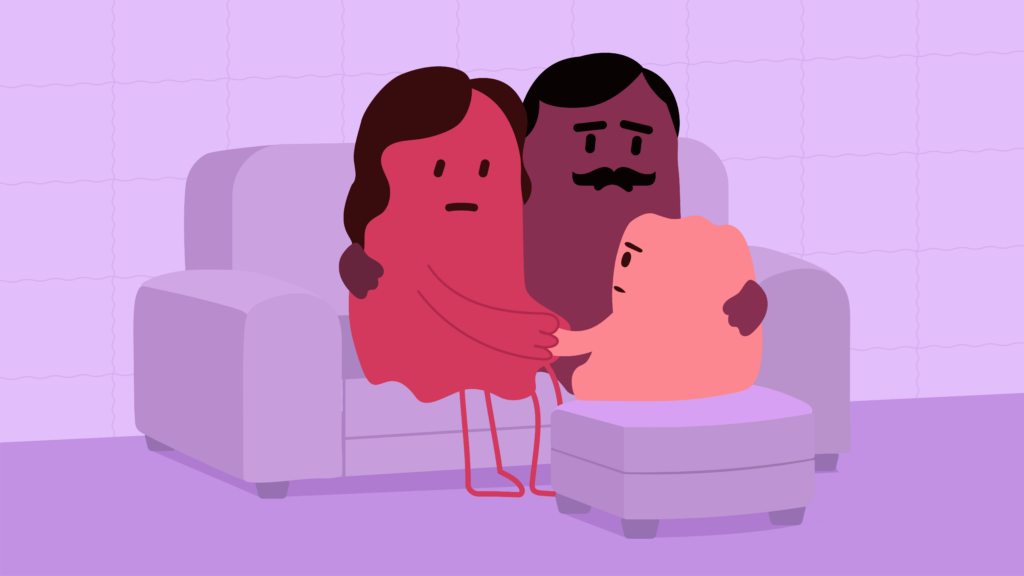
When a recurrence happens, kids may feel sadness, fear, or confusion. Alongside honest updates about ongoing care, make space for the feelings that come up. Children are also often older than they were the first time and may understand the situation differently now. Revisit explanations as needed. Ask what they remember. Invite questions. Let them know their feelings make sense.
Even when your instinct is to fix their hurt or make it go away, support often looks like validation.
“It’s okay to feel nervous. I feel nervous sometimes, too.”
Practice coping strategies together.
“When I feel nervous, I try to take deep breaths or do something that brings me a little joy. What helps you?”
When faced with the recurrence of a parent’s cancer, children may ask if their parent is going to die. While this is an emotionally painful question to hear, it’s important to prepare your answer based on your current condition or situation.
If your cancer is treatable, answer truthfully and focus on hope:
“The doctors feel like the medicines can make my cancer better. So that’s what we’re going to do. I will let you know if anything changes, but right now, I am doing what I need to do to live a long time.”
If your child continues asking if you can die from cancer, try saying:
“Some people die from cancer. I could possibly die from cancer, but I’m not dying now. I’m hoping to get well. I will tell you if anything changes.”
If you’re navigating recurrence, remember that your kids need support more than solutions. Your willingness to talk openly and honestly helps children feel safer, even when answers are incomplete.
Take things one step at a time. Focus on what’s within your control. Make room not only for the difficult moments, but for connection, routine, and moments of joy, too.
Kids are learning how to handle difficult moments by navigating it alongside you.
NBCF is here for parents facing cancer; you are not alone in this journey. For more free resources to help guide children through a parent’s cancer diagnosis, read:
In addition to NBCF, there are other groups dedicated to the emotional well-being of children and families who have a parent facing cancer. Below are a few organizations to consider partnering with on this journey.
National Breast Cancer Foundation is here for you—and your family—as you navigate a breast cancer diagnosis. Visit our website to learn about NBCF breast cancer support groups, obtain free educational resources, or find a patient navigator in your area.
Donations are always appreciated, but there are lots of great ways to get involved.