

This blog post was written by Lisa, a wife, mother, pilot, and Stage 4 metastatic breast cancer thriver. All ideas and opinions expressed in this post are Lisa’s.
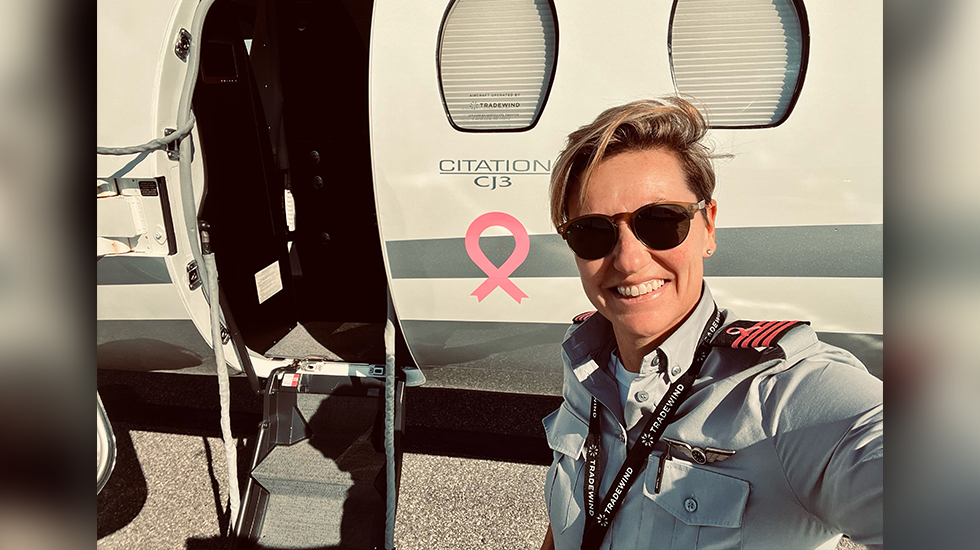
My cancer journey began at 38 years old. I was living in Puerto Rico with my pregnant wife and flying throughout the Caribbean as a pilot. It was a dream I had chased for nearly seven years, scraping together money for flight lessons, earning every certificate and rating, and working my first low-paying job just to build enough hours to get hired by the company I was flying for.
In January 2020, my wife and I traveled back to Louisiana, where we’re both originally from, to visit family and take care of a few scheduled doctor appointments. Because cancer runs heavily in my family, I had a routine mammogram scheduled. I wasn’t overly concerned initially, but after the imaging was completed, my doctor noticed a spot in my right breast. She recommended an ultrasound, which then led to a biopsy.
At the same time, earthquakes had begun shaking Puerto Rico, and the island’s infrastructure was already fragile. My wife and I decided she would stay in Louisiana with family while I returned to the island to keep working until things felt stable again.
Not long after I returned to Puerto Rico, I received the second-worst news of my life, alone, far from my family and my support system. I had Stage 1 invasive ductal carcinoma (IDC) breast cancer. I don’t think I have ever cried that hard in my life. I was overwhelmed and terrified of what this diagnosis meant for my future and for the life we were just beginning to build.
I soon returned to Louisiana and underwent a double mastectomy. I was briefly grounded from flying, and during that time, I slipped into a depression. I have always been the type of person to brush things off and keep moving, so being confined to a bed and my (pregnant) wife having to take care of me was incredibly hard to deal with.
But eventually, I was given the all-clear. Later that year, we moved to Connecticut, and I got back to flying. Life slowly began to feel “normal” again.
I didn’t change much, if anything, in my life after that first diagnosis. I just wanted to put it behind me, get back in the cockpit, and pretend it had never happened.
Fast forward a few years and several promotions later, I was serving as Assistant Chief Pilot, overseeing more than 100 pilots, and my wife was pregnant with our second child. We were finally feeling like we had made it.
I went in for my routine 6-month checkup with my oncologist. During the exam, he paused when he felt something. It was another lump in the exact spot where my original biopsy had been done. I told him (and myself) it was probably scar tissue, but he wasn’t convinced. After a quick consult with an oncology surgeon, she asked if I could stay for a biopsy.
The results came back and confirmed the unthinkable—the cancer had returned. At 43 years old, my heart sank hearing those words again. I didn’t even know that it was possible to be diagnosed with breast cancer again after a bilateral mastectomy.
I was completely crushed, and telling my pregnant wife, again, was gut-wrenching. And on top of dealing with our own feelings, we now had to worry about how this would affect a four-year-old, too.
Just like with my first diagnosis, I immediately started thinking about the quickest way through it to get back to normal as fast as possible, but deep down, there was a nagging feeling that this wasn’t the end of the bad news.
What was hardest, though, was the way people began looking at me. There was so much pity in their eyes. I could almost hear the unspoken “oh, you poor thing.” It felt like a shared assumption that this might be the beginning of the end.
And then things just kept unraveling. I was soon permanently grounded from flying, and in an instant, my entire career and so much of my identity were gone. I slipped into a deeper depression this time while my wife went into survival mode.
We welcomed our second son the month following my diagnosis, and instead of the joy we had imagined, we were moving through those early weeks on autopilot, barely holding it together.
My doctor recommended a PET scan to make sure the cancer was confined to my breast area. I kept reassuring myself and my wife, who was unraveling, that it would show nothing beyond the breast.
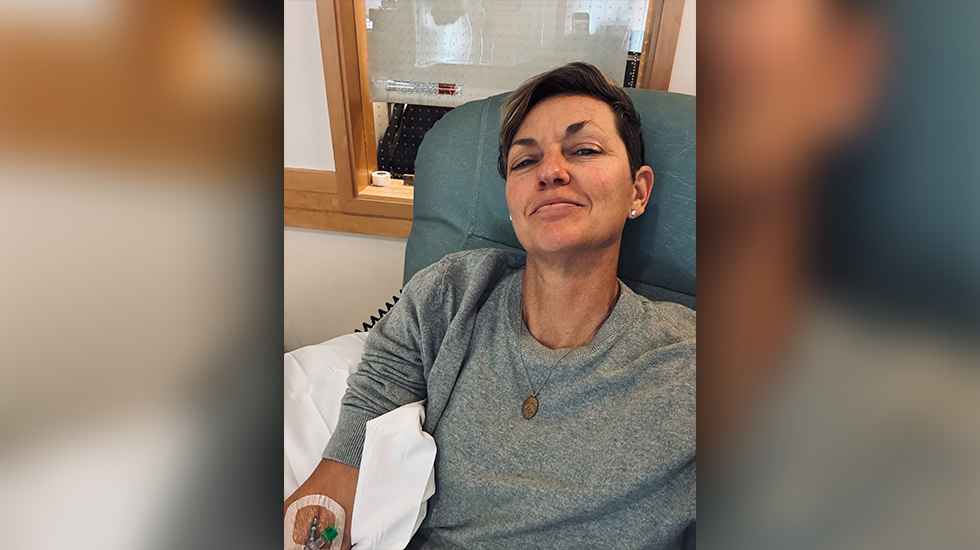
But the scan showed the cancer had metastasized, or spread, to my bones, specifically my L3 vertebrae and sacrum. Hearing the words metastatic breast cancer sent me into shock—and it did the same to my wife, my mom, my siblings, and everyone who loved me. We all felt helpless.
I couldn’t stop the negative thoughts and questions from flooding in: Was I going to die? Would I see my boys grow up, get to coach their soccer games, sit in the audience at school plays, and take photos before their first high school dance? Would my wife be able to do all of this alone?
But after a few months of feeling like everything was lost, I realized I had a choice about how to walk through this. I wanted to show my sons what it means to be a warrior and what resilience looks like, and to get back up no matter how hard you get knocked down.
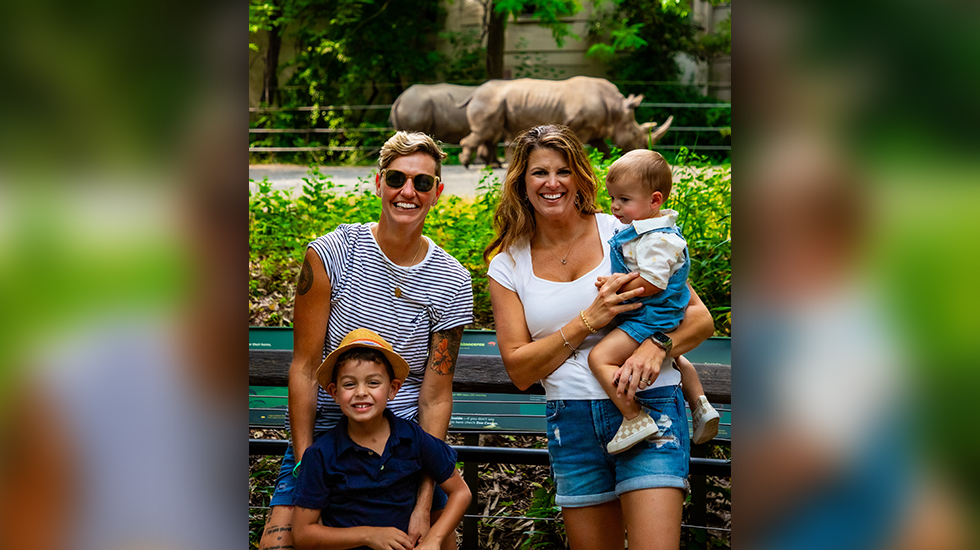
So, I started searching. I read about radical remission, nutrition, spirituality, mindset, and anything that might help me feel less powerless and more engaged in my own healing. It felt like my last opportunity to step in and take control of what I could, while I still could. The theme became “radical”: radical diet, radical working out, radical spirit in everything I did.
I got a therapist (which was one of the best decisions I made) and filled my days with practices that supported the medical care I was receiving. I didn’t see it as a replacement, but as a way to participate in my own healing.
Taking control of what I could gave me hope. And what started out as journaling through grief turned into more time spent doing creative things that I never made time for since I was a kid. I realized that I had just been checking boxes, but I really wasn’t living.
I felt it was time to open myself up and take whatever opportunities presented themselves. After joining a breast cancer support group, one of the women mentioned a fly-fishing retreat called Casting For Recovery. Casting for Recovery is an NBCF partner organization in Montana that offers free fly-fishing retreats to breast cancer patients of all stages, including specialized retreats just for metastatic patients.
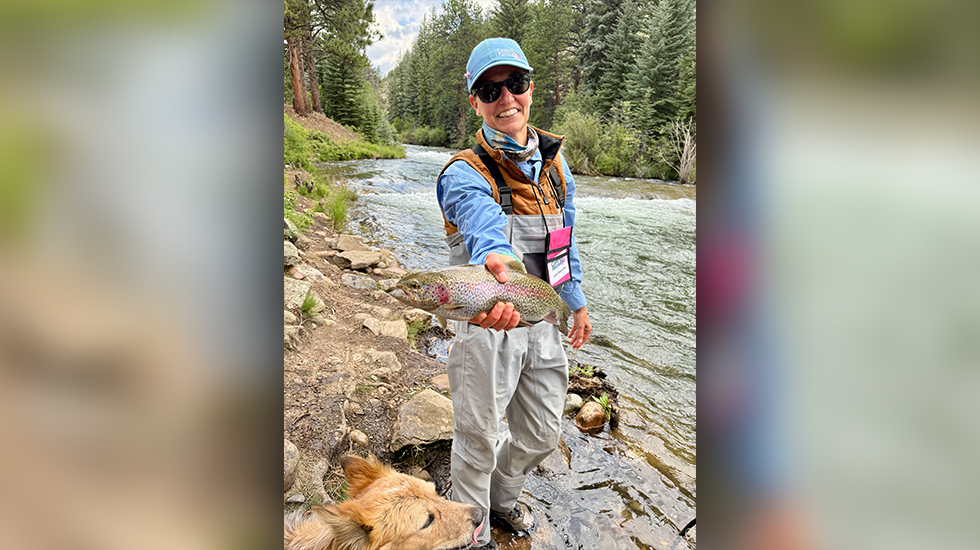
Attending the metastatic retreat turned out to be one of the most meaningful weekends of my life. The setting was breathtaking, and I learned a skill I had always thought about trying. But what stayed with me most were the women I met.
Talking with other metastatic women who truly understood the weight of this diagnosis brought a kind of validation and healing I didn’t even realize I needed. There is something powerful about not having to explain yourself, and about being seen without pity.
This has been a journey no one would choose—zero out of five stars, two thumbs down. Suffering through what has felt like an endless string of life changes has been devastating. Nearly two years after my metastatic diagnosis, I still have hard days, and the possibility that things could shift again is always in the back of my mind.
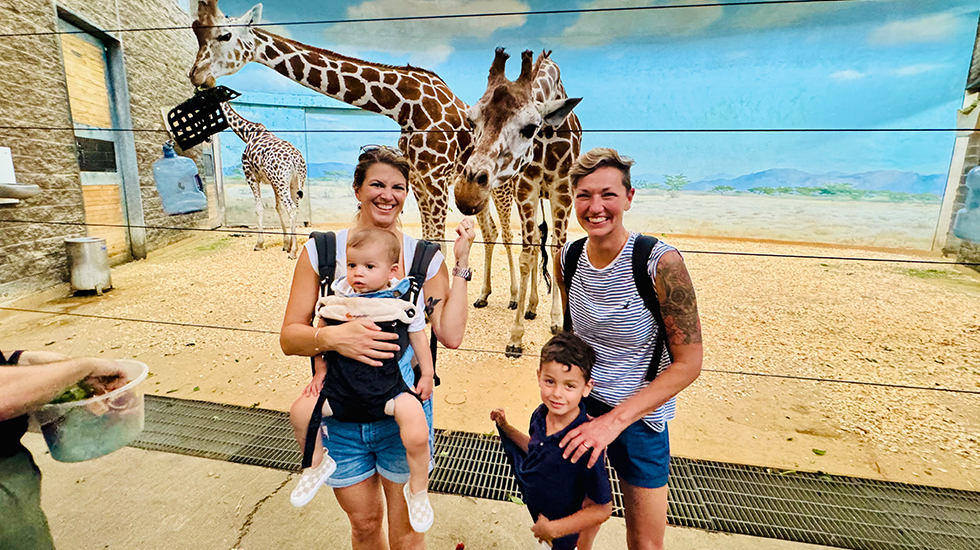
But, I choose to live while I am still here. I don’t want to let fear rule my life.
I make every effort to be present and get involved where I can. I let myself cry when I need to because that is incredibly important too, but then I get back up and get back to living.
National Breast Cancer Foundation is here for you as you navigate a breast cancer diagnosis. Visit our website to learn about NBCF breast cancer support groups, obtain free educational resources, or find a patient navigatorin your area.
Donations are always appreciated, but there are lots of great ways to get involved.