

When Brenja and her husband moved their family back to California after losing their Caribbean home to back-to-back hurricanes, they thought the hardest chapter was behind them.
With two young children, demanding full-time careers, and the challenge of rebuilding their lives, every day was busy, but full of hope for the future. Then, just after her 33rd birthday, everything changed.
During a routine massage, Brenja’s husband noticed a lump near her collarbone and urged her to get it checked out. Neither of them imagined it could be breast cancer.
“I had no family history,” Brenja says. “I guess you could say I was in denial, or maybe just not educated enough about breast cancer.”
Although Brenja received a referral for a mammogram and ultrasound, the urgency didn’t seem high. And because she was under 40, her insurance wouldn’t cover the mammogram, leaving her to pay out of pocket. Thinking the lump was likely harmless and the testing would be expensive, she waited nearly a month before scheduling the imaging.
After her scans led to a biopsy, her concern began to grow.
Six days after the biopsy, while finishing work and preparing to pick up her children for the day, Brenja received the phone call that would forever divide her life into a “before” and “after.” That day, Brenja heard her diagnosis: triple-negative invasive ductal carcinoma.
“She told me I had triple-negative invasive ductal carcinoma,” she says. “It was such a long word, I swore it was never going to end as she said it over the phone. I knew it didn’t sound good. I also didn’t understand any word in that sentence except for ‘carcinoma.’”
That evening, after feeding the kids dinner, bathing them, and putting them to bed, Brenja told her husband the news. “He was devastated,” Brenja said. From there, they began the process of facing the unknown together.
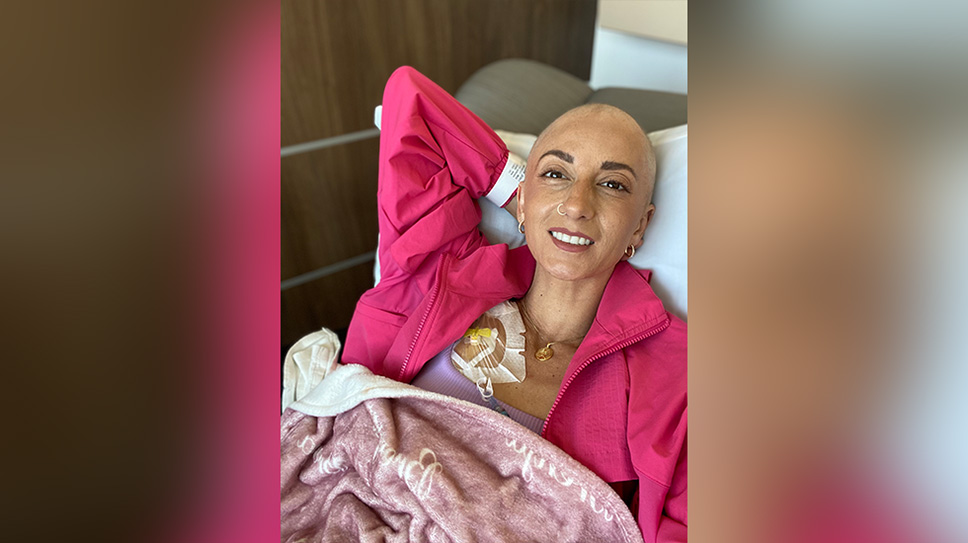
In the days that followed, Brenja met with several oncologists to gather as much information as she could about her diagnosis and possible treatment options. Finally, they decided on a treatment plan: 6 months of neoadjuvant chemotherapy and immunotherapy to shrink the tumor, followed by a mastectomy. After surgery, Brenja was told she’d face 6 more months of immunotherapy infusions.
While the physical effects of treatment were difficult, the emotional weight of the diagnosis was just as challenging. Brenja says what kept her moving forward was simple but powerful: her children.
“From an emotional standpoint, it was my kids. I was going to give it everything I had to make sure I could be there for them as long as possible.”
Brenja pushed through the treatments by trying to strengthen her mentality and remind herself what mattered most: “Mentally, I just told myself we had to get this cancer gone. Just get through these days, and we’ll be free on the other side of this.”
While stress can be a normal part of life, the added stress that comes with a breast cancer diagnosis and even survivorship can quickly become overwhelming. Learn ways to help manage stress in our free guide.
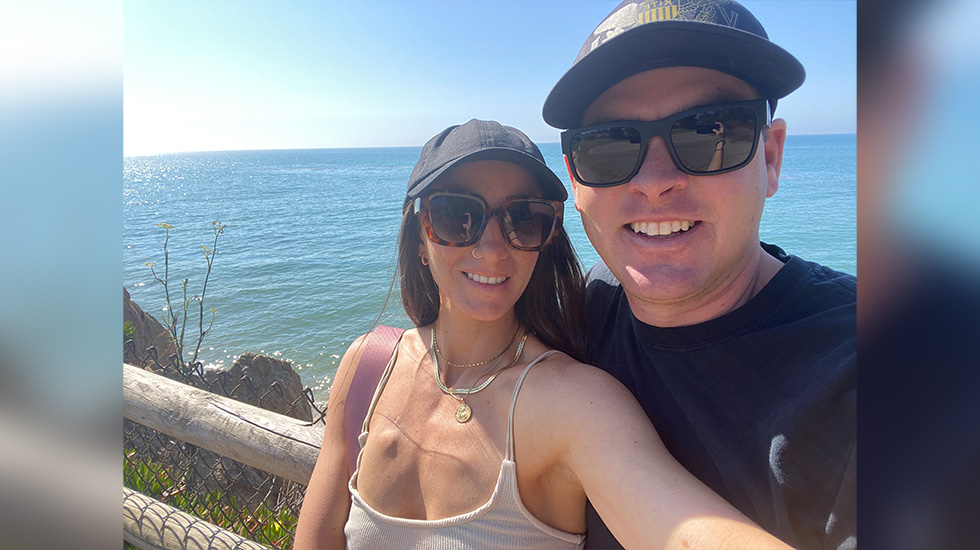
On the hard days, she relied heavily on the unwavering support of her husband, who carried much of the family’s responsibilities while she focused on healing.
“My husband truly picked up where I couldn’t at home,” she said. “I don’t know how he did it all, but he did. It was especially hard to watch my family struggle with everything, so I knew I needed to get better.”
Throughout treatment, Brenja discovered just how powerful community can be. After sharing about her diagnosis, her friends, family, coworkers, acquaintances, and even people she barely knew rallied around her with meals, donations, prayers, and encouragement.
“I have never known community the way I did during this chapter,” she says. “It elevated my strength. I just had never experienced the power of community in this capacity. I believe it truly made a difference in my mental state, my family’s experience, and my outcome.”
Brenja also began sharing about her experience online after realizing there were few stories from women with triple-negative breast cancer: “I wanted someone else to be able to find the truth about this disease and what the real experience and outcome could be,” she shares.
By telling her story, Brenja found healing—and hopes to offer it to others.
She also has advice for friends, family, and caregivers walking alongside someone with breast cancer. “For anyone supporting someone with breast cancer, just show up. You don’t have to know exactly what to say. A phone call, a visit, or a few loving minutes together can provide hope and human connection that goes such a long way.”
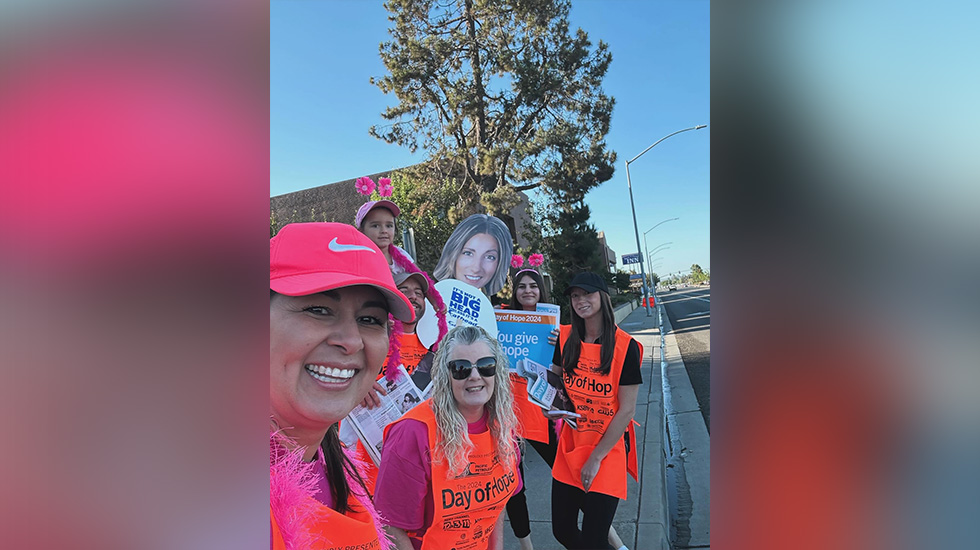
While Brenja was undergoing treatment, a family member learned about NBCF HOPE Kits® through an event featuring National Breast Cancer Foundation’s partnership with Sunkist Growers. They requested a HOPE Kit for Brenja, believing it would bring her a tangible source of comfort and support during treatment.
Brenja said the HOPE Kit did exactly what it was named for. “It honestly brought me hope.”
Inside were thoughtful items that met practical needs she hadn’t even realized she had. One gift—a pink stainless steel water bottle embossed with a breast cancer ribbon—has stayed by her side ever since.
As she recovered from chemotherapy, immunotherapy, and surgery, another gift stood out even more: a variety of false eyelashes. “I had no hair anywhere on my body,” Brenja says. “I opened this box, and it spoke to me as if it knew what I needed before I did. I felt understood in a season where it’s hard for people to relate to you.”
For Brenja, the HOPE Kit was more than a box of supplies. It was a reminder that someone understood what she was experiencing and wanted her to feel seen and supported.
Today, Brenja is cancer-free and continues to grow stronger each day. Emotionally, she admits survivorship still comes with moments of fear, especially before scans and follow-up appointments.
“The trauma of fighting for your life is deeply embedded,” she says. “You just have to honor that.”
Even so, her outlook on life has changed in profound ways. She shares: “I wake up every single morning grateful for another day. Just happy to be here.”
Brenja says that breast cancer taught her to slow down, appreciate the people she loves, and recognize the beauty in everyday moments that are so often taken for granted. Looking back, she wishes she could tell herself one thing on the day of her diagnosis: “You can get THROUGH this. This season consumed my whole world, but I wish I could have fully understood and believed that this was only just a season.”
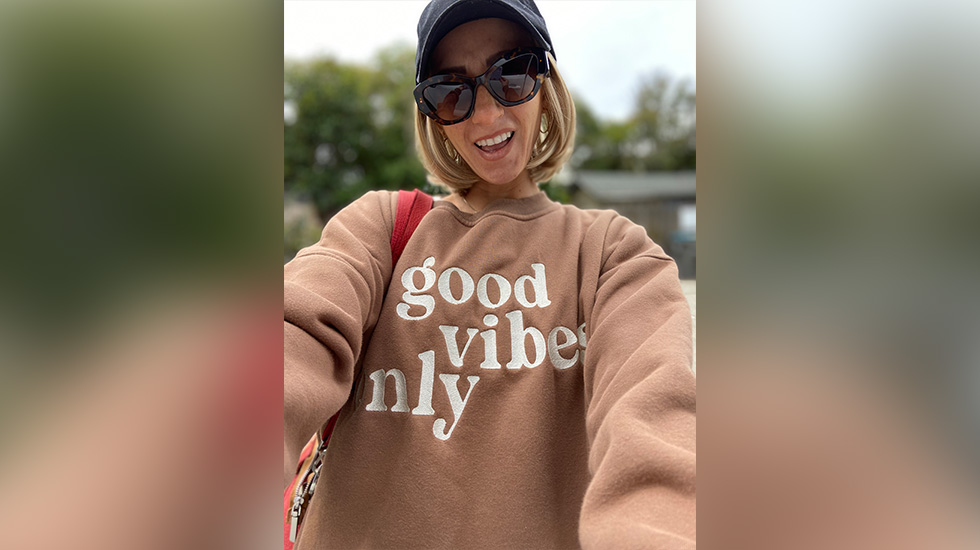
Brenja shares that her experience with aggressive breast cancer has brought profound perspective and gratitude into her life. While she says that lingering doubts and fears may always be a part of her future, she wishes every breast cancer patient and survivor could embrace the hope and clarity that can come in the midst of a difficult diagnosis:
“I would never wish this experience on anyone, but I am incredibly grateful for the clarity it gave me—a deeper understanding of what truly matters, a renewed appreciation for my life, the people I love, and the simple things we often take for granted. This chapter changed my life, but it also gave me the opportunity to slow down and choose a more fulfilling path forward.”
National Breast Cancer Foundation is here for you as you navigate a breast cancer diagnosis. Visit our website to learn about NBCF breast cancer support groups, obtain free educational resources, or find a patient navigator in your area.
Donations are always appreciated, but there are lots of great ways to get involved.