


This blog post is written by Douglas Feil, NBCF Chief Program Officer.
Updated: July 2026
Though breast cancer is still a leading cause of death for women in the U.S., the mortality rate has dropped by 44% since 1989. Some estimate that more than 500,000 lives have been saved as a result of this progress.
Lower mortality rates could be attributed to a number of factors, such as improvements in treatment, early detection, and even awareness about the disease and the importance of screening. The good news is that we know what we need to do to continue this trend.
The bad news is that declining breast cancer deaths have not been equal for everyone. According to a 2025 study published by the American Cancer Society, Black women have about a 38% higher breast cancer mortality rate than White women nationally, despite having similar or slightly lower incidence rates. Though this study is new, the disparity is not. For decades, Black women have been dying of breast cancer at a higher rate than White women. Hispanic women, a group with a traditionally lower breast cancer incidence rate, also have a higher risk of dying of the disease than White women.
The numbers don’t lie. It is clear that race and ethnicity are major factors in the survivability of breast cancer. Though some research suggests biological factors may play a small role, the overwhelming causes are a lack of access to quality care and socio-economic inequalities.
Although race is the most visible disparity, it isn’t the only one.
Breast cancer disparities are differences in breast cancer outcomes that are linked to social, economic, and environmental disadvantages. These disparities can affect who gets screened, how quickly breast cancer is diagnosed, the availability of quality treatment, and ultimately, who is more likely to survive the disease. While anyone can develop breast cancer, not everyone has the same access to the resources and care needed to achieve the best possible outcome.
Although biological factors can influence breast cancer risk and disease characteristics, they account for only part of the differences seen across populations. Many disparities are driven by structural barriers such as the cost of care, lack of insurance coverage, limited access to healthcare services, geographic location, health literacy, and systemic inequities that make it harder for some individuals and communities to receive timely, high-quality care.
Understanding these disparities and barriers to care—and the communities most affected by them—is an important step toward improving health equity and breast cancer care and outcomes for everyone.
When researchers and clinicians talk about disparities, they’re really talking about barriers and specific obstacles women in underserved communities face. Many of these barriers are addressable with support.
Barriers to care can include:
One of the biggest disparities is access to quality and timely care. This includes the geographic distance to a screening or care facility, a lack of specialists in a patient’s area, limited appointment availability, gaps in public or private transportation to get to appointments, and rural communities without nearby healthcare services.
These barriers can delay screening, diagnosis, and treatment, potentially leading to poorer outcomes. Even when services are available, factors such as taking time off work, securing childcare, or navigating a complex healthcare system can make it difficult for patients to receive the care they need when they need it.
The cost of breast cancer treatment in the United States is high. According to the NIH, the average cost of treatment per person in the year after diagnosis ranges from $60,000 to $135,000, depending on the stage of cancer being treated. Individuals who are uninsured or underinsured are especially vulnerable to a cost barrier due to the high out-of-pocket costs of treatment. Even those with health insurance often face high out-of-pocket expenses, including insurance premiums, copays, and deductibles that can delay screening and follow-up care.
For many families, the financial burden of treatment can create difficult choices between healthcare and other essential needs, making it harder to access and complete recommended breast cancer care.
Not everyone has equal access to information about breast health and breast cancer. Some communities may have fewer opportunities to learn about early detection, breast self-awareness, and recommended screening guidelines. Language barriers, limited health education, and difficult-to-understand information can make it harder for people to know when to get screened or which symptoms to watch for. When people don’t have access to clear, reliable information about their health, they may be less likely to seek screening or follow up on potential concerns.
For many, the challenge isn’t knowing they need care—it’s finding the time to get it. Responsibilities such as caring for children or family members, working hourly jobs, or lacking paid time off can make it difficult to schedule and attend medical appointments. For some, missing work may mean losing income. Finding adequate childcare or transportation can add another layer of stress. These real-life demands can lead people to delay or skip health screenings and follow-up care, even when they understand the importance of early detection.
For some communities, past and ongoing experiences of discrimination in healthcare can make it difficult to trust medical institutions and providers. Historical injustices, unequal treatment, and experiences of bias may contribute to skepticism and reluctance to engage with the healthcare system. As a result, some individuals may be less likely to seek preventive care, participate in screening programs, or follow up after an abnormal finding.
Some populations experience higher rates of chronic health conditions such as obesity, high blood pressure, and diabetes. These conditions can affect overall health and may complicate breast cancer screening, diagnosis, treatment, and recovery. Managing multiple health concerns at the same time can make treatment more challenging and may require additional medical appointments, medications, and support. As a result, patients with other serious health conditions may face added barriers throughout their breast cancer journey.
People of color are often underrepresented in breast cancer clinical trials. For example, Black women made up only 6.8% of participants in FDA breast cancer clinical trial studies between 2014 and 2018. This underrepresentation may limit how well treatments are tested for diverse populations.
Understanding who is most affected can help identify barriers to care and create more equitable opportunities for early detection, diagnosis, and treatment.
Black women face some of the most well-documented breast cancer disparities in the United States. Although Black women are diagnosed with breast cancer at similar or even slightly lower rates than White women, they are 38% more likely to die from the disease. Black women are also more likely to be diagnosed at younger ages, at later stages, and with aggressive types of breast cancer, such as triple-negative breast cancer (TNBC) and inflammatory breast cancer (IBC). Overall, Black women have the lowest survival rate for every known stage of breast cancer.
This suggests that multiple factors—including differences in treatment access and quality, delays in care, systemic inequities in healthcare access and delivery, and differences in tumor biology—interact to produce poorer outcomes for Black women.
Breast cancer is the leading cause of cancer death for Hispanic women. While Hispanic women generally have lower breast cancer incidence rates than non-Hispanic White women, they are less likely to be diagnosed at an early stage, when breast cancer is most treatable. Factors such as limited access to healthcare, language barriers, and lower screening rates may contribute to later-stage diagnoses and challenges in receiving timely treatment.
Asian American and Pacific Islander women are frequently grouped together in health data, despite representing many distinct communities with different experiences and health needs. While some groups have lower breast cancer rates, others are experiencing rising incidence rates and disparities in screening, diagnosis, and access to care. Breast cancer incidence in Asian American and Pacific Islander women under 50 has increased by 50% since 2000.
Native American and Indigenous women are often underrepresented in breast cancer research, making disparities harder to fully understand and address. In some communities, limited access to screening and specialty care contributes to higher rates of late-stage diagnosis and poorer outcomes.
Women living in rural areas often face challenges related to distance and access to healthcare. Long travel times to screening centers, fewer local specialists, and limited treatment options can create delays in diagnosis and care. These barriers may make it more difficult to receive regular screenings and follow-up appointments.
Women with limited financial resources or who don’t have health insurance may face multiple barriers to breast cancer care. The costs associated with screening, treatment, transportation, childcare, and time away from work can make it difficult to prioritize healthcare. Financial pressures can also contribute to delayed screenings and interruptions in treatment.
Although breast cancer is much less common in men, it can and does occur. Because awareness is lower and routine screening is not recommended for most men, symptoms may be overlooked or dismissed, leading to later-stage diagnoses when cancer is harder to treat. Learn more in Male Breast Cancer: What Men Need to Know.
While breast cancer is less common in younger women, incidence rates in women under 45 are slowly increasing. Because routine screening recommendations generally begin at age 40 for those at average risk, younger women are less likely to undergo regular mammograms, leading to later-stage diagnoses. In some cases, symptoms in young women may be mistaken for less serious concerns, also contributing to delays in diagnosis.
Many immigrants face additional barriers to breast cancer screening and care. Language differences, unfamiliarity with the healthcare system, concerns about costs, and fears related to immigration status can all make it more difficult to access preventive services and treatment.
Some say knowing is half the battle, but when it comes to breast cancer disparities, knowing without acting is a battle lost every time. Action is paramount.
National Breast Cancer Foundation (NBCF) is committed to reducing health disparities in breast cancer by offering evidence-based programs proven to increase access to care and reduce mortality.
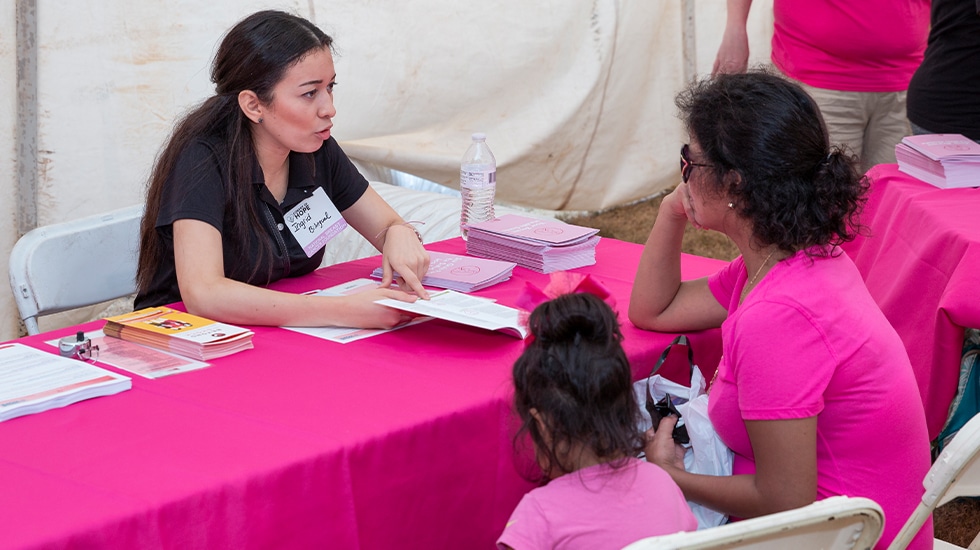
Educating women about the importance of early detection of breast cancer and empowering them to take control of their breast health is critical to combating health disparities.
However, information about breast health is not always readily available in underserved and minority communities or for people in low socioeconomic status brackets in the U.S. Women in these communities are often unaware of the importance of early detection or that services are available to help them navigate the complex healthcare system.
Studies have shown that individuals who are uninformed about their health are less likely to take advantage of early detection services like mammograms. As a result, these women are at a higher risk of dying from breast cancer because they are diagnosed at a later stage when the disease is harder to treat.
That’s why NBCF is reaching these communities and equipping them with education about breast cancer and connecting them to life-saving resources.
Each year, NBCF partners with Convoy of Hope, an organization with a driving passion to feed the world, provide resources to underserved communities, and bring relief in times of disaster. Through this partnership, NBCF hosts outreach events in low-income areas, provides breast health education to those in attendance, and connects tens of thousands of women to free, local resources that provide screening and breast health services. Approximately 47% of women served at these events are African American and 37% are Hispanic.
We know that interventions only work if people know about them, so we are determined to extend our reach into communities with health disparities and offer education, resources, and easier access to care.
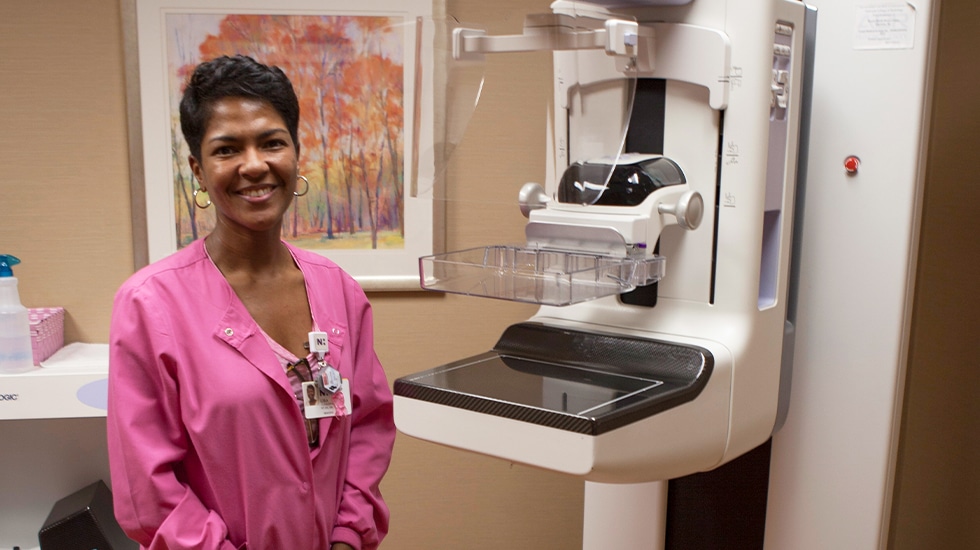
Awareness and education about a problem is a first step. We know early detection saves lives, and we know the best way to find breast cancer early is through mammography. But there are still millions of women across the U.S. who are uninsured or underinsured and can’t afford the cost of annual screening mammography, which is $150 on average. That’s why NBCF funds free screening and diagnostic services in hospitals and facilities across the United States. Since 2010, NBCF has provided over 297,000 screening and diagnostic breast care services.
One of NBCF’s top screening partners, Parkland Health, serves uninsured patients in Dallas, Texas. Approximately 79% of Parkland’s patients are Black or Hispanic. Over the last few years, Parkland identified two zip codes with the highest rate of late-stage breast cancer in Dallas County and targets these areas with education, outreach, screening, and follow-up care with the goal of increasing regular screenings and finding breast cancers early. By providing funding for free screenings, NBCF is playing a vital role in this project and helping to eliminate the barrier of cost. Similar situations often play out at NBCF partner facilities across the nation.
When Dr. Harold Freeman, the pioneer of patient navigation, started working as a surgeon at Harlem Hospital in the late 1960s, he was overwhelmed by how many patients presented with late-stage disease. Most of his patients were African American, and he realized that inequality in access to care accounted for this disparity. He dedicated his entire career in medicine to overcoming disparities in healthcare.
Dr. Freeman launched the first patient navigation program in the early 1990’s, with the purpose of eliminating barriers to timely cancer screening, diagnosis, treatment, and supportive care.
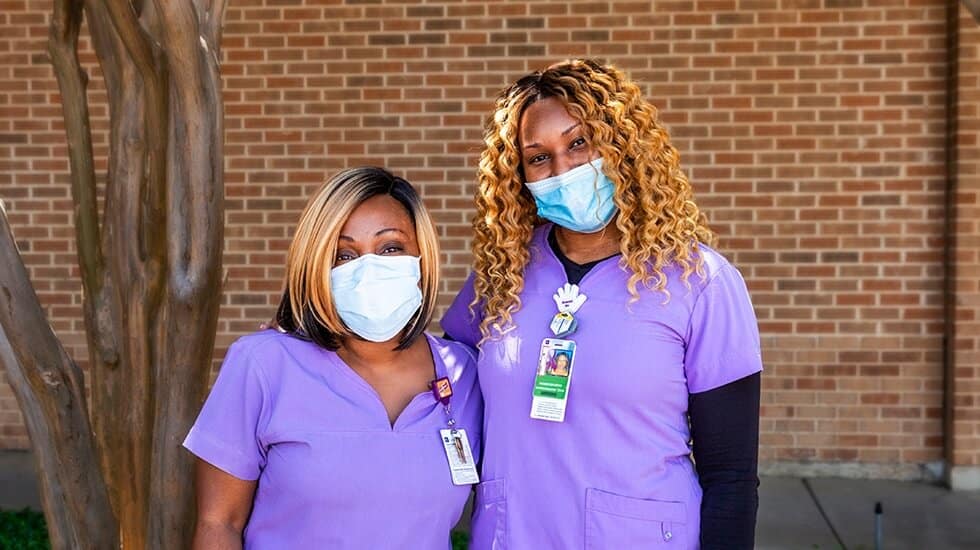
Today, patient navigators are trained and equipped to also address the social determinants of health. Patient navigators help explain breast cancer information clearly for patients with language barriers. They help them find transportation and childcare, which are among the main reasons for missed appointments. Patient navigators also help access financial assistance for uninsured and underinsured patients. The financial burden of a breast cancer diagnosis can be debilitating, but there is help for those willing to put in the time to find it.
NBCF funds patient navigation programs in facilities across the U.S. with the goal of increasing screening, reducing wait times, and ensuring access to timely care. Since starting the Patient Navigation Program in 2010, NBCF has provided 1.8 million patient navigation services to women in need.
A few years ago, we reached out to one of our patient navigators in Flint, Michigan. Flint residents were still reeling from the water crisis, so the patient navigator had to go above and beyond to find solutions. When asked how we could help her current situation, the patient navigator said, “A mattress. I need a mattress.” She was navigating a metastatic breast cancer patient sleeping on a perforated air mattress. She said the patient was having to wake up several times a night to fill the deflated mattress with air. This was causing a lack of sleep and made it hard for her to continue life-extending treatment. Finding a suitable place to sleep may not be in the clinical job description of a patient navigator, but it is a reality of working with patients in need of help and dignity.
A disparity can sometimes be environmental, like the inability to get a good night’s sleep, which is critical to a patient’s outcome.
Disparities in breast cancer don’t close themselves. Every action, big or small, helps. We can all play a part in helping achieve health equity.
You can:
You can:
You can:
You can:
Common questions about breast cancer disparities.
A health disparity is a difference in health outcomes linked to social, economic, or environmental differences. In breast cancer, health disparities can affect who gets screened, how quickly breast cancer is diagnosed, the availability of quality treatment, and ultimately, who is more likely to survive the disease.
Black women are more likely than White women to be diagnosed with breast cancer at younger ages, at later stages, and with more aggressive types of breast cancer. Many also face multiple social and economic barriers to care.
Yes. Hispanic women are less likely than non-Hispanic White women to be diagnosed at an early stage, when breast cancer is most treatable. Barriers such as limited access to healthcare, language barriers, and lower screening rates may contribute to later-stage diagnoses and challenges in receiving timely treatment.
Men are generally less aware of breast cancer and that it can affect them, often leading to dismissal of symptoms and later diagnoses.
Because routine screening recommendations generally begin at age 40, younger women are less likely to undergo regular mammograms, leading to later-stage diagnoses. Symptoms in young women may be mistaken for less serious concerns, also contributing to delays in diagnosis.
NBCF’s National Mammography Program provides access to free and low-cost mammograms and diagnostic services through our partner facilities nationwide. Find a free or low-cost mammogram near you now.
A patient navigator is a professional who guides patients through and around barriers in the complex cancer care system to ensure timely diagnosis, treatment, and support. Through its Patient Navigation Program, NBCF funds patient navigators at partner facilities across the nation. Find a patient navigator near you now.
National Breast Cancer Foundation offers free breast health and breast cancer resources, from educational guides and eBooks to support groups, mental health resources, and other patient support programs. Learn more about NBCF’s free breast health resources.
National Breast Cancer Foundation is here for you as you navigate a breast cancer diagnosis. Visit our website to learn about NBCF breast cancer support groups, obtain free educational resources, or find a patient navigator in your area.
Donations are always appreciated, but there are lots of great ways to get involved.




Good afternoon my name is Tracy Colbert I am a cancer survivor breast cancer survivor I have been unemployed since December 20 20 and I was hoping that I can get some type of financial any type of support from you my phone number 703-473-2038 you can leave me a voicemail my email is [email protected]
Tracy, our team will be reaching out with financial resources. Keeping you in our thoughts & prayers!
I have a black friend who is quite a bit younger than I, but who is fighting a more progressed breast cancer than I have. I approve of this effort, esp. the navigation programs. I think really things have gotten to the point where education needs to begin in school health classes. Also, I think prevention is being pretty much ignored. Also nutrition. Maybe if you can afford Sloan Kettering and live nearby, you can get good nutritional help. I know people are very resistant to changing their eating habits. I know vitamins and supplements are expensive, but i think people have a right to know. Sadly though people with Breast Cancer are living longer, there maybe more people getting Breast Cancer….
I was diagnosed with breast cancer 23 years ago in my right breast lumpectomy no lymph nodes was a survivor until July of this year at my mammo. Precancerous cells in left breast mass in my right. Had double mastectomy have worked since 7/21 was wondering if I could get financial help of some sort
Hi Marci, our team will be reaching out with financial resources. You’re in our thoughts and prayers!