


Breast Self-Exam

What is a breast self-exam?
A breast self-exam is an early detection tool that uses a combination of physical and visual examinations of the breasts to check for signs and symptoms of breast cancer. The purpose of a breast self-exam is to become familiar with the way your breasts normally look and feel.
Knowing how your breasts normally look and feel, also called breast self-awareness, will help you identify any changes or abnormalities in your breasts, such as a new lump or skin changes. Any changes in your breasts discovered during a breast self-exam should be reported to your healthcare provider right away.
While a breast self-exam is a useful tool for the early detection of breast cancer, it should not take the place of regular mammograms and clinical breast exams.
How often should a breast self-exam be performed?
Adult women of all ages are encouraged to perform breast self-exams at least once a month. Lillie D. Shockney, Johns Hopkins University Distinguished Service Professor of Breast Cancer states, “Forty percent of diagnosed breast cancers are detected by women who feel a lump, so establishing a regular breast self-exam is very important.”
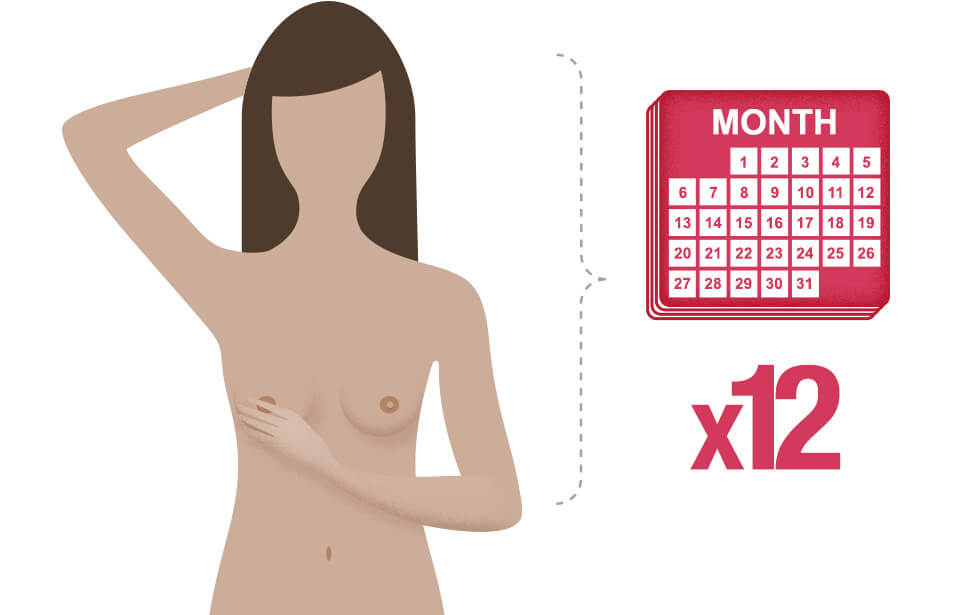
For women still menstruating, a breast self-exam should be performed a few days after her period ends. For those who are post-menopausal, a breast self-exam should be performed on the same day of each month, such as the 1st or 15th day of the month. Compare your findings of the current month’s self-exam to the previous month’s self-exam to determine if you have experienced any changes.
While mammograms can help you to detect cancer before you can feel a lump, breast self-exams help you to be familiar with how your breasts normally look and feel. Alert your healthcare professional if you notice any changes in your breasts, such as a new lump, sore spot, changes in the appearance of the skin, or nipple discharge.
3 Steps to Early Detection Guide
Breast cancer can’t usually be prevented, but you can take three important steps to help detect it earlier. This free guide can increase your chance of finding breast cancer before it spreads.
Get the Free GuideHow should a breast self-exam be performed?
There are three steps necessary to perform a thorough breast self-exam. Each of these steps should be completed each time you perform a breast self-exam.
1) In the shower
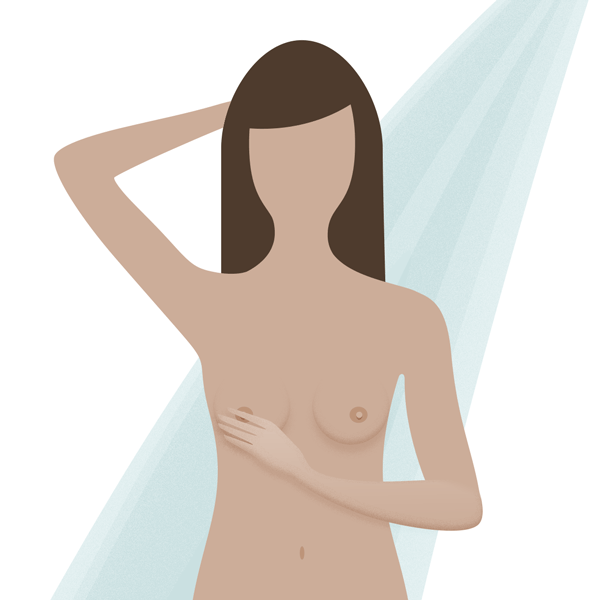
With the pads/flats of your 3 middle fingers, check the entire breast and armpit area, pressing down with light, medium, and firm pressure. Check both breasts each month, feeling for any new lumps, thickenings, hardened knots, or any other breast changes.
2) In front of a mirror
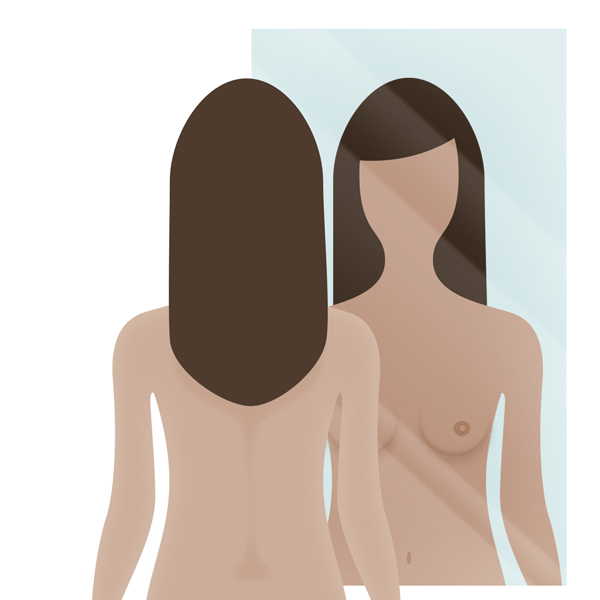
With your arms at your sides, visually inspect your breasts, looking for any changes in the contour or shape of the breasts, any dimpling, swelling, or other skin irregularities on or around the breasts, or any changes in the nipples.
Next, rest your palms on your hips and press firmly to flex your chest muscles. Look for any dimpling, puckering, or other changes, particularly on one side. Note that the left and right breasts will not exactly match—few women’s breasts are perfectly symmetrical.
3) Lying down
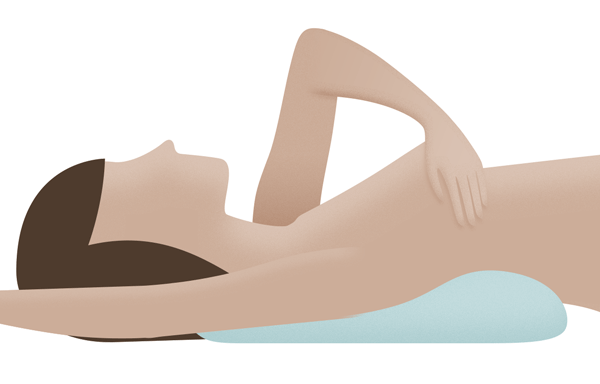
When lying down, the breast tissue spreads out evenly along the chest wall. Place a pillow under your right shoulder and put your right arm behind your head. Using your left hand, move the pads of your 3 middle fingers around your right breast, covering the entire breast area and armpit.
Use light, medium, and firm pressure to feel for any new lumps, thickenings, hardened knots, or any other breast changes. Also squeeze the nipple to check for discharge. Repeat these steps for your left breast.
Can I rely on breast self-exams alone to be sure I am breast cancer-free?
Breast self-exam alone is not sufficient to detect breast cancer early. Mammography can usually detect tumors before they can be felt, so screening is key for early detection. But when combined with regular medical care and appropriate guideline-recommended mammography, breast self-exams can help women know what is normal for them so they can report any changes to their healthcare provider.
f you find a lump, schedule an appointment with your doctor, but don’t panic—most lumps are not cancerous. For additional peace of mind, call your doctor whenever you have concerns.
Know the Symptoms Guide
Get the FREE symptoms checklist today to stay proactive with your breast health. Plus, learn the three ways to perform a breast self-exam.
Get the Free Guide