


Radiation Therapy


What is radiation therapy and how does it work?
Radiation therapy (also called radiotherapy or just radiation) uses high-energy rays to kill cancer cells. It affects cells only in the part of the body that is treated with the radiation. Breast cancer radiation therapy may be used to destroy any remaining mutated cells that remain in the breast or armpit area after surgery.
Note: There are special situations in which radiation is used for women with metastatic breast cancer experiencing painful bone metastasis. This section, however, focuses on the use of radiation for adjuvant therapy (treatment given after the main treatment to lower the chance of breast cancer returning).
Who is prescribed radiation therapy?
Some people with Stage 0 (DCIS) and most people with Stage 1 invasive cancer and higher, who have had a lumpectomy, can expect radiation therapy to be a part of their treatment regimen. The exception to this is women age 70 or older who had a small tumor, no positive lymph nodes, and whose cancer cells were estrogen receptor-positive (ER+). These women may be given hormonal therapy rather than radiation to prevent a local recurrence of their breast cancer.
What are the different kinds of breast cancer radiation therapy?
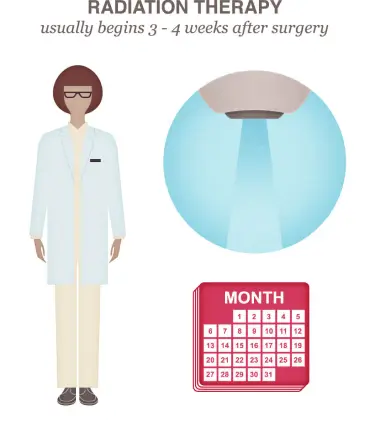
Most radiation therapy is administered by a radiation oncologist at a radiation center and usually begins three to four weeks after surgery. The radiation is used to destroy undetectable cancer cells and reduce the risk of cancer recurring in the affected breast.
There are two main kinds of radiation therapy that may be considered, and some people have both.
- External beam radiation therapy: A common cancer treatment that delivers focused radiation beams to shrink or destroy tumors.
- Internal breast cancer radiation: A newer treatment that injects radioactive cancer-killing treatments only in the affected area
Keep in mind that the course of treatment you decide is something you should discuss with your radiation oncologist in order to ensure that it is as effective as possible.
External beam radiation therapy
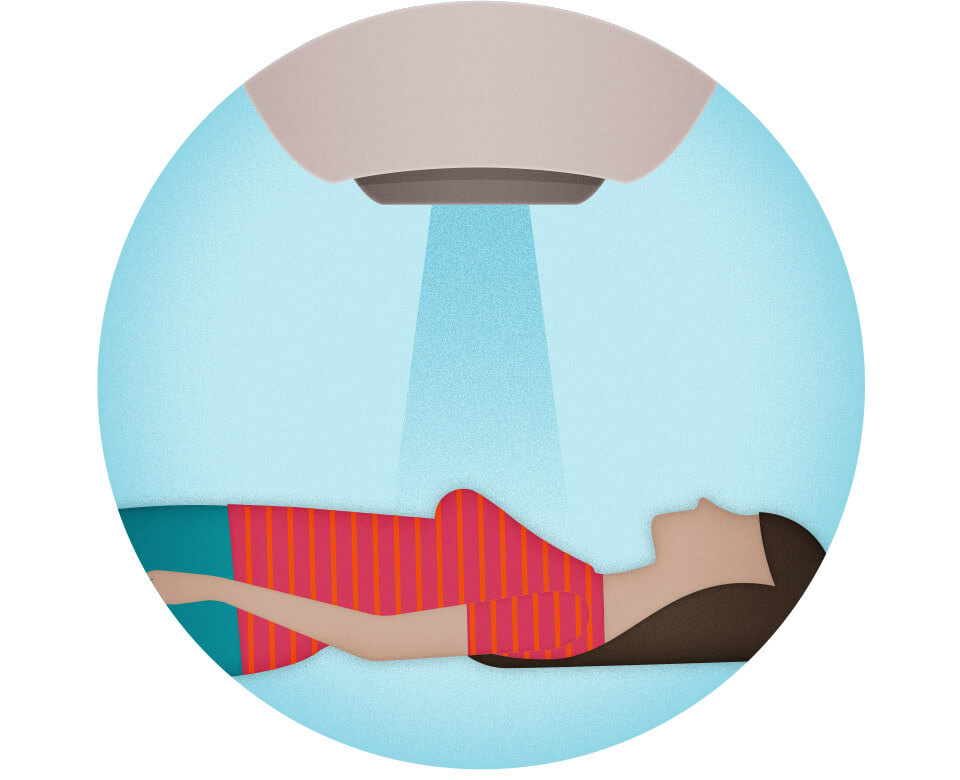
External beam radiation (also known as traditional or whole breast radiation therapy) uses high-energy beams, like those of a regular x-ray. The beam, emitted by a large machine, is highly focused and targets the cancerous area for short periods of time, typically two to three minutes. This form of treatment usually involves multiple appointments in an outpatient radiation center, as many as five days a week for five or six weeks. Certain situations may require a slightly higher radiation dose over a shorter course of treatment, usually three to four weeks (called accelerated radiation).
Internal breast cancer radiation
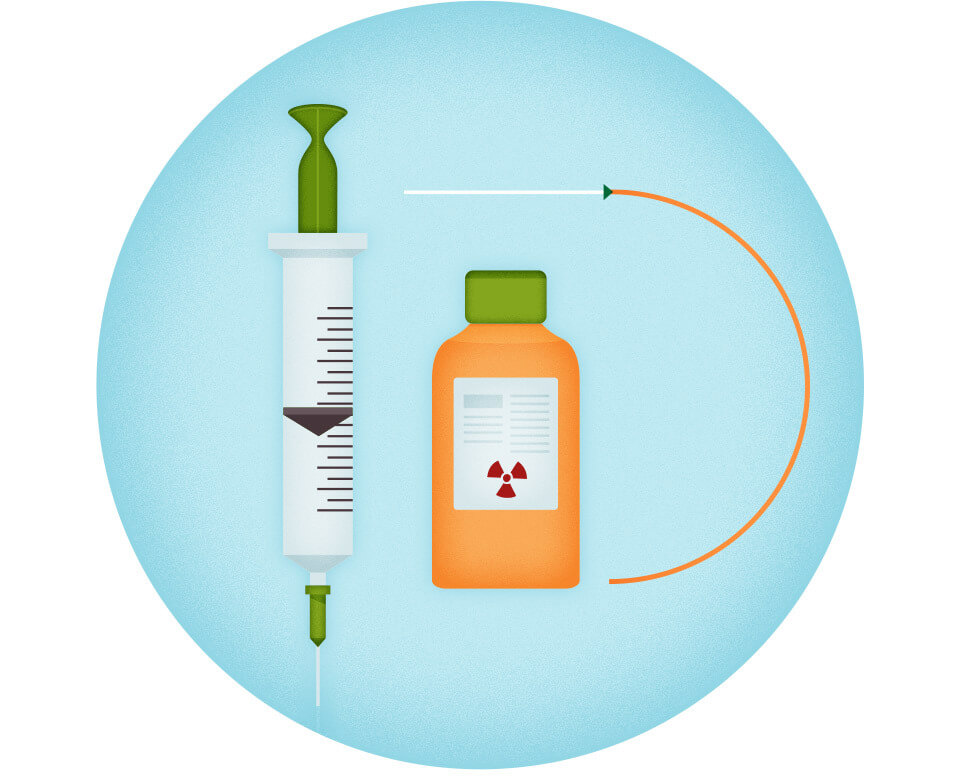
Internal radiation is a form of partial breast radiation. During the treatment, the physician or surgeon inserts a radioactive liquid using needles, wires, or a catheter in order to target the area where the cancer originally began to grow and tissue closest to the tumor site to kill any possible remaining cancer cells. Internal radiation is rarely used today, with many doctors opting for short-term radiation therapy instead.
Brachytherapy (internal radiation) delivered via implantable device
In brachytherapy, the doctor places a device inside the breast at the time of the surgery or shortly thereafter, which carries targeted radiation to the tissue where the cancer originally grew (also known as the tumor bed). This type of radiation may take only one treatment delivered in the operating room or may take 5-7 days given on an outpatient basis in the radiation therapy department.
In nearly all cases, the appropriate method is determined by the radiation oncologist based on the location and size of the tumor. This type of radiation is rarely done today.
What are the side effects of radiation?
Radiation therapy can have side effects, and these vary from person to person.
The most common radiation side effects are:
- Sunburn-type skin irritation of the targeted area (which may range from mild to intense)
- Red, dry, tender, or itchy skin
- Breast heaviness
- Discoloration, redness, or a bruised appearance
- General fatigue
What should I do about side effects from breast cancer radiation?
If you experience difficulty from side effects, you should discuss them with your doctor, who may be able to suggest ways you can treat side effects and help yourself feel more comfortable. These problems usually go away over a short period of time, but there may be a lasting change in the color of your skin.
Here are some good general tips for dealing with the most common side effects of radiation:
- Bras and tight clothes may rub your skin and cause soreness. You may want to wear loose-fitting cotton clothes during this time.
- Gentle skin care also is important. You should check with your doctor before using any deodorants, lotions, or creams on the treated area.
- You need to be aware that more intense treatment methods will tax your body. During radiation therapy, it is essential to take good care of yourself by getting extra rest and making good nutrition a priority.
- Although resting is important, doctors usually advise patients to try to stay active too, unless it leads to pain or other problems. Routine exercise, such as walking for 30 minutes a day, has been proven to reduce the degree of fatigue patients experience from radiation therapy.
- Power walking for 30 minutes a day, 5 times a week, during and after radiation therapy has proven to reduce fatigue from radiation.
- You may wish to discuss with your doctor the possible long-term effects of radiation therapy. For example, radiation therapy to the chest may harm the lung or heart. Also, it can change the size of your breast and the way it looks. If any of these problems occur, your oncology team can tell you how to manage them.
Sources:
Cleveland Clinic
American Cancer Society
Mayo Clinic