


BRCA: The Breast Cancer Gene


What is a gene?
Each person’s DNA contains the code used to build the human body and keep it functioning. Genes are the small sections of DNA that code for individual traits. For example, someone with naturally red hair has a gene that causes his or her hair to be red.
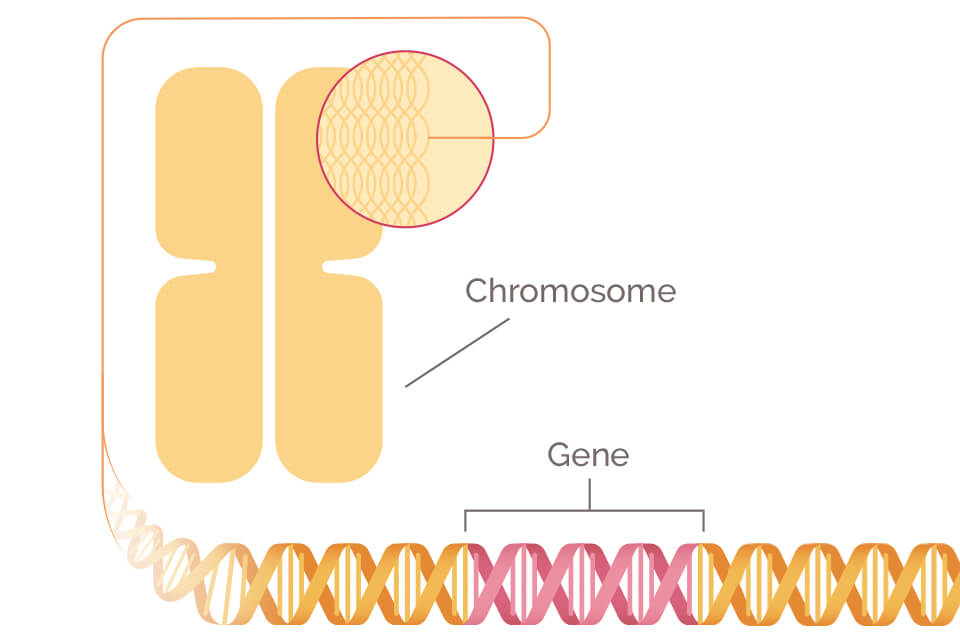
All inherited traits are passed down through genes. Each person has two copies of every gene: one gene from each parent. Since each parent passes down exactly half of their genes to each child, any of the parents’ genetic traits has a 50% chance of being passed on to their offspring.
What Is BRCA?
The name “BRCA” is an abbreviation for “BReast Cancer gene.” There are two BRCA genes: BRCA1 and BRCA2.
Every human has both the BRCA1 and BRCA2 genes. Despite what their names might suggest, BRCA genes do not cause breast cancer. In fact, these genes normally play a big role in preventing breast cancer. When functioning properly, these genes help repair broken DNA that can lead to cancer and the uncontrolled growth of tumors.
When BRCA genes are inherited normally, without any changes, damage, or mutations, they work to prevent cancer by producing proteins that suppress tumor growth and repair DNA. Because of this, BRCA genes are known as tumor suppressor genes.
What is BRCA1?
The BRCA1 gene creates a protein in the body that acts as a tumor suppressor. Tumor suppressor proteins created by the BRCA1 gene help prevent cells from growing and dividing too rapidly or in an uncontrolled way. The BRCA1 protein is also involved in repairing damaged DNA.
What is BRCA2?
The BRCA2 gene functions in essentially the same way as the BRCA1 gene, suppressing uncontrolled cell and tumor growth in the body, as well as repairing broken DNA. The BRCA2 gene may have an additional job in helping regulate a specific step in cell division.
What is a BRCA gene mutation?
A BRCA mutation occurs when the DNA that makes up the gene becomes damaged or changed in some way.
When a BRCA gene is mutated, it may no longer be effective at repairing broken DNA and helping to prevent breast cancer. Because the broken DNA will not be repaired by a functioning BRCA gene, people with a BRCA mutation are more likely to develop breast cancer and are more likely to develop cancer at a younger age. The carrier of the mutated gene can also pass a gene mutation down to his or her offspring.
How common are BRCA mutations?
BRCA gene mutations are not common. Approximately 0.2%-0.3% of people, or about 1 in 400 individuals, carry a mutated BRCA1 or BRCA2 gene. However, the prevalence of BRCA mutations is higher in certain populations. For example, approximately 2% of people of Ashkenazi Jewish heritage carry a BRCA gene mutation
Although BRCA mutations are not common, the small percentage of people with a mutation face a higher risk of developing breast and other cancers than the general population.
It’s important to note that fewer than 10% of women diagnosed with breast cancer carry a BRCA1 or BRCA2 gene mutation. Most breast cancer occurs in women with no known genetic mutation.
What are the risks of BRCA gene mutations?
In the general population, about 1 in 8 women in the United States will be diagnosed with breast cancer in their lifetime. However, for individuals with a BRCA gene mutation, the risk of developing breast cancer is significantly higher:
- Approximately 55-65% of women with a BRCA1 gene mutation will develop breast cancer by age 70.
- About 45% of women with a BRCA2 gene mutation will develop breast cancer by age 70.
- Women with BRCA gene mutations also face a higher risk of ovarian cancer and may be more likely to develop triple-negative breast cancer, which is aggressive and harder to treat.
- Those with a BRCA gene mutation have a greater likelihood of breast cancer recurrence, meaning the cancer may come back after being successfully treated the first time.
- Men with a BRCA gene mutation are also more likely to develop breast and other cancers, such as prostate cancer.
With early detection, the vast majority of breast cancer cases can be identified early and successfully treated—even for people who have a BRCA1 or BRCA2 mutation.
Other cancers linked to BRCA gene mutations
In addition to an increased risk of developing breast cancer, individuals with a BRCA gene mutation face an increased risk of other cancers, including:
- Ovarian cancer: About 39-58% of women with a BRCA1 mutation and 13-29% of women with a BRCA2 mutation will develop ovarian cancer in their lifetime. For comparison, about 1% of the general female population will develop ovarian cancer.
- Pancreatic cancer: Up to 5% of individuals with a BRCA1 mutation and 5-10% of those with a BRCA2 mutation will develop pancreatic cancer in their lifetime. For comparison, about 1.7% of the general population will develop pancreatic cancer.
- Prostate cancer: About 7-26% of men with a BRCA1 mutation and 19-61% of men with a BRCA2 mutation will develop prostate cancer by age 80. By comparison, about 10.6% of men in the general population will develop prostate cancer by age 80.
- Male breast cancer: About 0.2-1.2% of men with a BRCA1 mutation and 1.8-7.1% of men with a BRCA2 mutation will develop breast cancer by age 70. By comparison, about 0.1% of men in the general public will develop breast cancer by age 70.
Reducing risks associated with BRCA gene mutations
If you discover you have a BRCA1 or BRCA2 gene mutation, there are preventative measures you can take to help reduce your risk of developing breast cancer in the future.
Enhanced screening
Women with a diagnosed BRCA gene mutation should receive enhanced and more frequent screening for breast cancer. This may involve beginning mammograms before the age of 40, receiving mammograms more frequently than once a year, and/or receiving additional screenings, such as breast ultrasound or breast MRI at regular intervals, in addition to mammograms. Discuss the screening schedule that is right for you with your doctor or care team.
Hormonal therapy
Taking a form of hormonal therapy, which is different from hormone replacement therapy, such as hormone blockers or hormone inhibitors, may help decrease your risk of developing breast cancer. Talk to your healthcare provider about the risks and benefits associated with this option, as well as which drugs or therapies may be available to you.
Preventive surgery
Sometimes surgery is done before breast cancer develops or is diagnosed. Discuss the following surgical options with your healthcare provider if you are positive for a BRCA mutation:
- Bilateral prophylactic mastectomy: This surgical approach involves removing the breast tissue as a preventative measure, before cancer develops, and is usually done along with breast reconstruction.
- Hysterectomy, oophorectomy, and salpingectomy: Some women, particularly those with a BRCA2 gene mutation, may choose to have their reproductive organs removed (hysterectomy), their ovaries removed (oophorectomy), and/or their fallopian tubes removed (salpingectomy) since BRCA gene mutations increase the risk of developing ovarian cancer as well as breast cancer.
Lifestyle adjustments
Whether you have a diagnosed BRCA gene mutation or not, all women should be aware of the environmental and lifestyle risk factors for breast cancer. To help lower your risk of developing breast cancer, consider the following:
- Physical activity: A sedentary lifestyle with little physical activity can increase your risk for breast cancer. Moving your body or exercising for even 20 minutes a day can help lower this risk factor.
- Diet: A diet high in saturated fat and lacking fruits and vegetables can increase your risk for breast cancer. Eating 3.5 to 5 cups of fruits and vegetables a day can help lower this risk factor.
- Weight: Being overweight or obese can increase your risk for breast cancer. This risk increases if you have already gone through menopause.
- Alcohol: Frequent consumption of alcohol can increase your risk for breast cancer. The more alcohol you consume, the greater the risk.
Genetic counseling
A genetic counselor—a specialist in genes and gene mutations—can help explain the results of your genetic testing, as well as offer insights into potential ways to mitigate (lower) your risk of developing cancer. It is usually best to meet with a genetics counselor first, before genetic testing, to understand the implications of the potential results.
BRCA gene FAQs
How common are BRCA gene mutations?
BRCA gene mutations are rare. About 1 in 400, or 0.25% of the population, carries a BRCA gene mutation.
Should I get tested for a BRCA mutation?
A person could be considered at high risk for a BRCA mutation and should consider genetic testing if they have a family history of:
- Breast cancer diagnosed before age 50
- Male breast cancer at any age
- Multiple relatives on the same side of the family with breast cancer, particularly if they are first-degree relatives (mother, sister, daughter)
- Multiple breast cancers in the same woman, meaning breast cancer developing in both breasts over time or at the same time
- Both breast and ovarian cancer in the same woman
- A history of ovarian cancer in the woman’s family, especially if a first-degree relative
- Ashkenazi Jewish heritage
- A significant history on the same family side (mother or father’s side) of men diagnosed young with prostate cancer, ovarian cancer in female family members, melanoma, or pancreatic cancer.
- All women diagnosed with Stage 4 metastatic breast cancer get tested as part of standard of care because there are special treatments that are available just for women with Stage 4 disease.
- Women diagnosed with triple-negative breast cancer should get tested, as they carry a higher risk of carrying a breast cancer gene mutation.
Is BRCA the only gene linked to breast cancer?
While BRCA1 and BRCA2 gene mutations are the most common mutations linked to breast cancer, there are other genes linked to breast cancer as well, including PALB2 and CHEK2, among others. Read more about other breast cancer genes.
What if I test positive for a BRCA gene mutation?
It’s natural to feel worried if you’ve tested positive for a BRCA gene mutation. It’s true that these gene mutations can significantly increase your chances of developing breast cancer. However, it’s important to keep in mind that many people who carry such gene mutations never develop breast cancer. Read more about what to do if you test positive for a BRCA gene mutation.
Sources:
American Cancer Society
National Library of Medicine
National Library of Medicine
National Cancer Institute