


Signs and Symptoms of Breast Cancer


What are the signs and symptoms of breast cancer?
Every person should know the signs and symptoms of breast cancer, and any time an abnormality is discovered, it should be investigated by a healthcare professional.
Most people who have breast cancer signs and symptoms will initially notice only one or two, and the presence of these signs and symptoms do not automatically mean that you have breast cancer.
By performing monthly breast self-exams, you will be able to more easily identify any changes in your breasts. Be sure to talk to your healthcare professional if you notice anything unusual.
Know the Symptoms Guide
This free guide provides a checklist of breast cancer symptoms to help you know what to look for and how to take note of important information to provide your doctor. Know what to look for when checking your breasts with this free guide.
Get the Free GuideUnderstanding signs and symptoms
Though the terms are often grouped together, there is a difference between signs and symptoms. Both signs and symptoms may be present in a health issue, or an issue may present with only signs or only symptoms.
Symptoms are typically based on opinions and feelings and can vary from person to person. Pain, for example, is considered a symptom in some illnesses or conditions because you can feel pain in your body, but others can’t feel it or measure it for you.
Signs are things others can see, observe, or measure that may indicate a possible health issue. Hypertension (elevated blood pressure) is an example of a sign associated with a health condition because it is able to be measured and is not subjective.
Common signs and symptoms of breast cancer
Not all breast cancer causes symptoms; some people do not have any symptoms at all. Different people may have different symptoms of breast cancer. By being aware of what the signs and symptoms of breast cancer are, you can more easily identify any changes or symptoms that may be present.
According to the American Cancer Society, the most common symptom of breast cancer is a new lump or mass. A hard mass that is not painful and has irregular edges is more likely to be cancer, though breast cancer lumps can also be soft, round, tender, or painful. However, a lump or mass is not the only symptom of breast cancer.
If symptoms of breast cancer are present, they may include:
- A new lump, mass, or thickening in or near the breast or in the underarm area (armpit)
- An unexplained change in the size or shape of the breast
- Swelling or shrinkage of all or part of the breast, especially if on one side only (even if no lump is felt)
- Dimpling anywhere on the breast
- Puckering in the skin of the breast
- A nipple turned inward (inverted) into the breast
- Breast or nipple pain
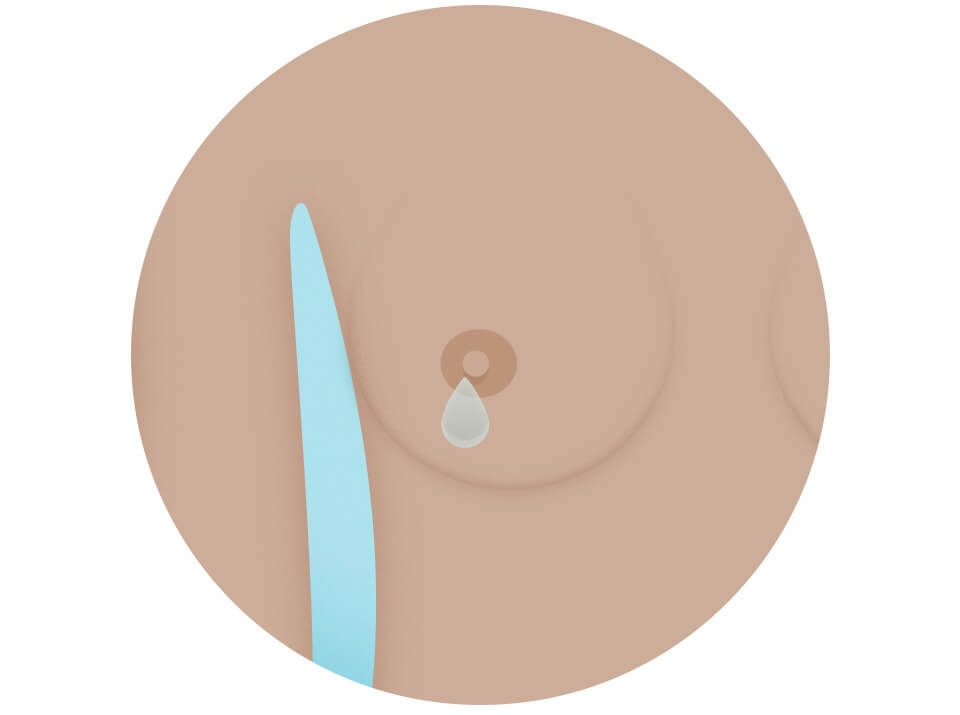
- Discharge (fluid) from the nipple, particularly if clear or bloody
- A change in the skin texture, discoloration, rash, swelling, or an enlargement of the pores in the skin of the breast (similar to the texture of the peel of an orange)
- Scaly, red, or swollen skin on the breast, nipple, or areola
- Recent asymmetry (unequal or lack of sameness) of the breasts
- Swollen lymph nodes under the arm or near the collarbone
If you notice any of the above symptoms, talk to your doctor immediately. But remember, while all breast changes should be investigated by a healthcare professional, not all lumps or changes are breast cancer.
Inflammatory breast cancer signs and symptoms
Inflammatory breast cancer (IBC) is Stage 3 breast cancer in which cancer is present in the breast tissue as well as the skin of the breast.
Unlike other types of breast cancer, inflammatory breast cancer does not typically present with a distinct lump or mass that can be felt in the breast. Instead, the most common symptoms of inflammatory breast cancer involve changes in the skin of the breast, nipple, or areola.
If symptoms of inflammatory breast cancer are present, they may include:
- Areas of skin discoloration that are pink, red, or purple, which typically cover more than one-third of the breast
- A persistent rash that looks like an insect bite or bruise
- Swelling or firmness, typically in one breast
- Persistent itching, pain, and/or burning; one breast may feel warmer than the other
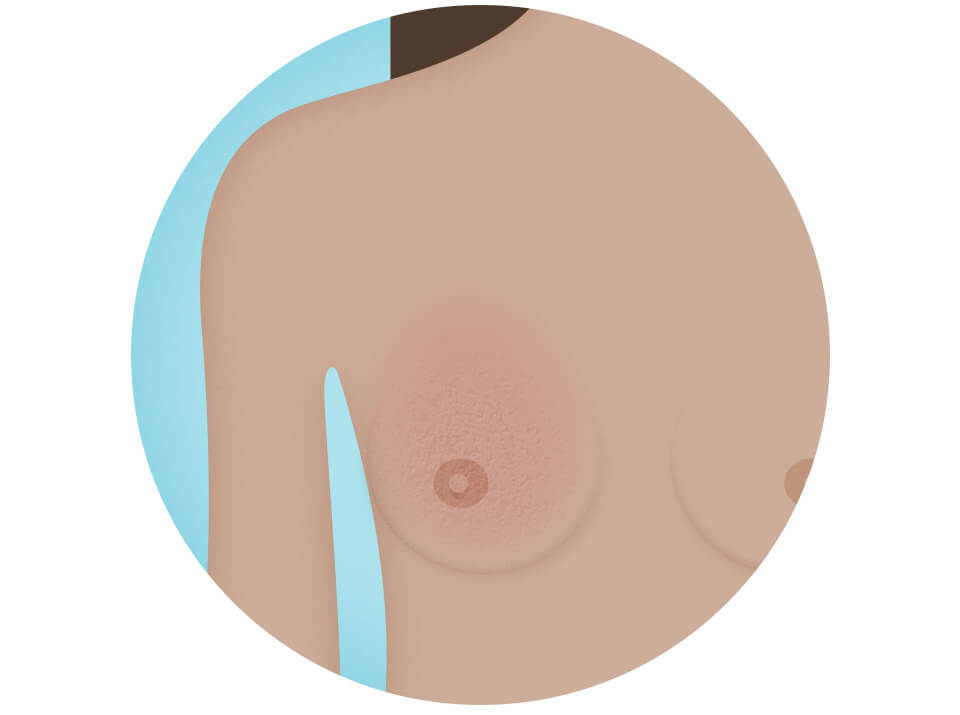
- Skin of the breast may appear pitted like an orange peel
- Nipple changes, including inversion (turning inward), flattening, or dimpling
- Swollen lymph nodes near the collarbone or under the arm (armpit)
Inflammatory breast cancer is an aggressive and fast-spreading form of breast cancer. It is important to report any changes in your breasts or symptoms of inflammatory breast cancer to your doctor right away.
Metastatic breast cancer signs and symptoms
Metastatic breast cancer (MBC) is Stage 4 breast cancer in which the cancer has spread from the breast and lymph nodes into other organs of the body, typically the bones, lungs, liver, or brain.
The symptoms of metastatic breast cancer may be the same as the symptoms of breast cancer listed above. However, metastatic breast cancer may have additional signs and symptoms to be aware of.
If symptoms of metastatic breast cancer are present, they may include:
- Unusual, persistent back or neck pain that is not explained by injury or exercise
- Pain in the bones
- Unexplained shortness of breath
- Profound fatigue or malaise (feeling generally unwell)
- Headache
- Seizures
- Mood or behavior changes
- Difficulty with speech
- Vision changes
There are additional symptoms of metastatic breast cancer depending on the area of the body the cancer has spread to. Read more about metastatic breast cancer symptoms.
What to do if you notice a symptom
If you notice a symptom of breast cancer, don’t panic. Instead, report any symptoms or changes to your doctor immediately. While most lumps are not breast cancer, all breast changes—including the symptoms listed above—need to be investigated by a healthcare professional. Remember, you don’t need to have all of the symptoms of breast cancer. Having even one symptom is enough reason to contact your doctor.
Upon examination, your doctor may recommend that you receive a diagnostic mammogram or breast ultrasound to get more information about your symptoms. Your healthcare team will help you determine next steps, if needed, depending on those results.
Breast self-awareness
It is important for all women to be familiar with the way their breasts normally look and feel. This is called breast self-awareness. Having breast self-awareness makes it easier to notice any changes in your breasts that should be reported to your doctor.
Breast self-exam
A breast self-exam is an important part of having breast self-awareness. It is recommended that all women ages 18 and over perform a breast self-exam once a month to check for any changes in their breasts from the previous month.
As with all symptoms, any changes discovered during a breast self-exam should be reported to your doctor right away.

Breast Self-Exam
Learn how to perform a breast self-exam in three easy steps with the free guide, 3 Steps to Early Detection.
Get the Free GuideWhen there are no symptoms
Not all breast cancer causes noticeable signs or symptoms. That is why it is important for all women to practice regular breast self-exams. Women ages 40 and over should also receive an annual mammogram to be proactive about early detection.
Sometimes, a mammogram may show a high level of density of the breast tissue, called dense breast tissue, which is a risk factor for breast cancer. If it is determined that you have dense breast tissue, the radiologist will likely do additional imaging studies of the breast, such as a breast ultrasound, to determine if there are any areas of concern within the dense tissue.
If you have a family history of breast cancer or other breast cancer risk factors, you may need to start getting mammograms earlier than age 40. Work with your doctor to determine the screening schedule that is best for you.
Breast cancer symptoms FAQs
What are the warning signs for breast cancer?
It’s important to remember that not all breast cancer causes symptoms or warning signs. But if symptoms are present, they may include a new lump in the breast, a change in the shape or size of the breast, a change in the skin texture of the breast, and in inverted (turned inward) nipple, among others as listed above.
Are flat nipples a sign of breast cancer?
Not all flat or inverted nipples are signs of breast cancer. In fact, up to 20% of men and women naturally have flat or inverted nipples. However, flat or inverted nipples can be a symptom of breast cancer. If you are experiencing a flat or inverted nipple, especially if it is new for you, you should speak with your healthcare provider about it right away.
Is breast dimpling always a sign of breast cancer?
Breast dimpling—a localized change in the texture of the skin of the breast, such as small indentations or puckering—isn’t always a sign of breast cancer. However, breast dimpling can be a significant sign of breast cancer that should be reported to your doctor right away.
Is fatigue, tiredness, or shoulder pain a sign of cancer?
Not all breast cancer causes signs or symptoms, especially in the early stages. However, if breast cancer has advanced or spread to other areas of the body, signs and symptoms may become noticeable. Symptoms like profound fatigue and unusual or persistent back or bone pain could be a sign of breast cancer. Report any of these symptoms to your healthcare provider right away.
Can saggy or uneven breasts be a sign of breast cancer?
Breast asymmetry—a lack of sameness between the size and shape of the two breasts—is common. However, if the asymmetry or any other changes in the shape or size of either breast are new and recent, those symptoms should be reported to your doctor right away. New or sudden breast asymmetry can be a symptom of breast cancer.
Are dense breasts a sign of breast cancer?
Dense breasts are not a sign of breast cancer. However, dense breast tissue is a risk factor for breast cancer because the density can make a mammogram harder to read and decipher. Ask your doctor if you have dense breast tissue. If you do, you may need other screenings, such as a breast ultrasound, in addition to an annual mammogram.
If I have some signs or symptoms, is it likely to be cancer?
Most often, signs and symptoms are not due to cancer, but any breast cancer sign or symptom you notice should be investigated as soon as it is discovered. If you have any of these signs or symptoms, you should tell your healthcare provider so that the problem can be diagnosed and treated.
If I have no signs or symptoms, should I assume I do not have cancer?
Although there’s no need to worry, regular screenings are always important. Your doctor can check for breast cancer before you have any noticeable signs or symptoms. During your office visit, your doctor will ask about your personal and family medical history and perform a physical examination. In addition, your doctor may order one or more imaging tests, such as a mammogram.
Sources:
Cleveland Clinic
Centers for Disease Control and Prevention (CDC)
American Cancer Society
MD Anderson Cancer Center
Moffitt Cancer Center